Get 10% Off Your First Order Today! Use code at checkout: WELCOME10


What Do the Stars on Football Shirts Mean?


Quick Answer
A star above the crest marks a major trophy. National team shirts carry one star per men’s World Cup won, so Brazil has five and Spain two. Club stars follow each country’s rule: one per ten league titles in Italy, a 3/5/10/20/30-title scale in Germany, one per five titles in Turkey, or a single star for a European Cup.
A star above the crest marks a major trophy. National team shirts carry one star per men’s World Cup won, so Brazil has five and Spain two. Club stars follow each country’s rule: one per ten league titles in Italy, a 3/5/10/20/30-title scale in Germany, one per five titles in Turkey, or a single star for a European Cup.
A star above the crest on a football shirt marks a major trophy. On a national team shirt, each star stands for one men’s World Cup win. On a club shirt the meaning depends on the country: one star per ten league titles in Italy, a scale of up to five stars in Germany, one star per five titles in Turkey, or a single star for a European Cup.
🛒 Shop Argentina Jerseys — home, away & player versions, worldwide shipping.Shop Now →
What does a star on a national team shirt mean?
For national teams the rule is simple. FIFA’s equipment regulations let an association that has won the World Cup show one star for each edition won, on the men’s shirt for men’s titles and on the women’s shirt for Women’s World Cup titles. That is why the men’s and women’s shirts of the same country can carry a different number of stars.
Count the stars on these shirts and you get the men’s World Cup roll of honour:
- Brazil, five stars: 1958, 1962, 1970, 1994 and 2002. You can see all five above the CBF badge on the Brazil 2026 home jersey.
- Germany, four stars: 1954, 1974, 1990 and 2014. The fourth was added from September 2014, about two months after the final in Rio. See the Germany 2026 home jersey.
- Italy, four stars: 1934, 1938, 1982 and 2006.
- Argentina, three stars: 1978, 1986 and 2022. Browse the Argentina range.
- France, two stars: 1998 and 2018.
- Spain, two stars: 2010 and 2026. Spain beat Argentina 1-0 after extra time in the final on 19 July 2026, and the shirts now carry a second star. We cover the change in our Spain two-star jersey guide.
- England, one star: 1966.
Why does Uruguay have four stars?
Uruguay won the World Cup twice, in 1930 and 1950, but wears four stars. The other two are for the Olympic football titles of 1924 and 1928, which the Uruguayan federation counts as world titles because they were the top international tournament before the World Cup began. It is the best-known exception to the one-star-per-World-Cup pattern.
What do stars on club shirts mean?
Shop Argentina Jerseys
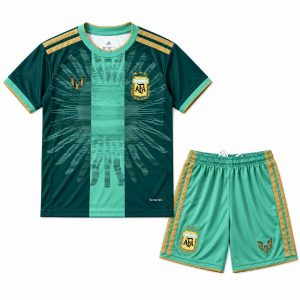
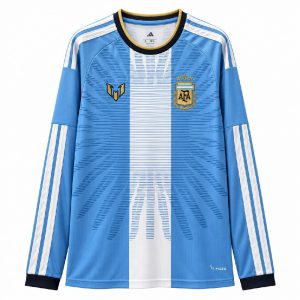
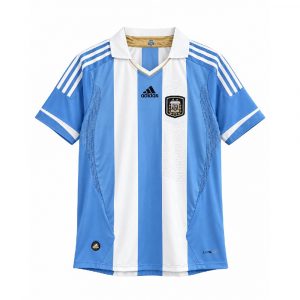
Clubs do not follow one worldwide rule. Each league or federation sets its own, and some clubs choose stars for a single famous trophy. The table sums up the systems you are most likely to see.
| League or type | What earns a star | Example |
|---|---|---|
| National teams (FIFA) | One star per World Cup won | Brazil, five stars |
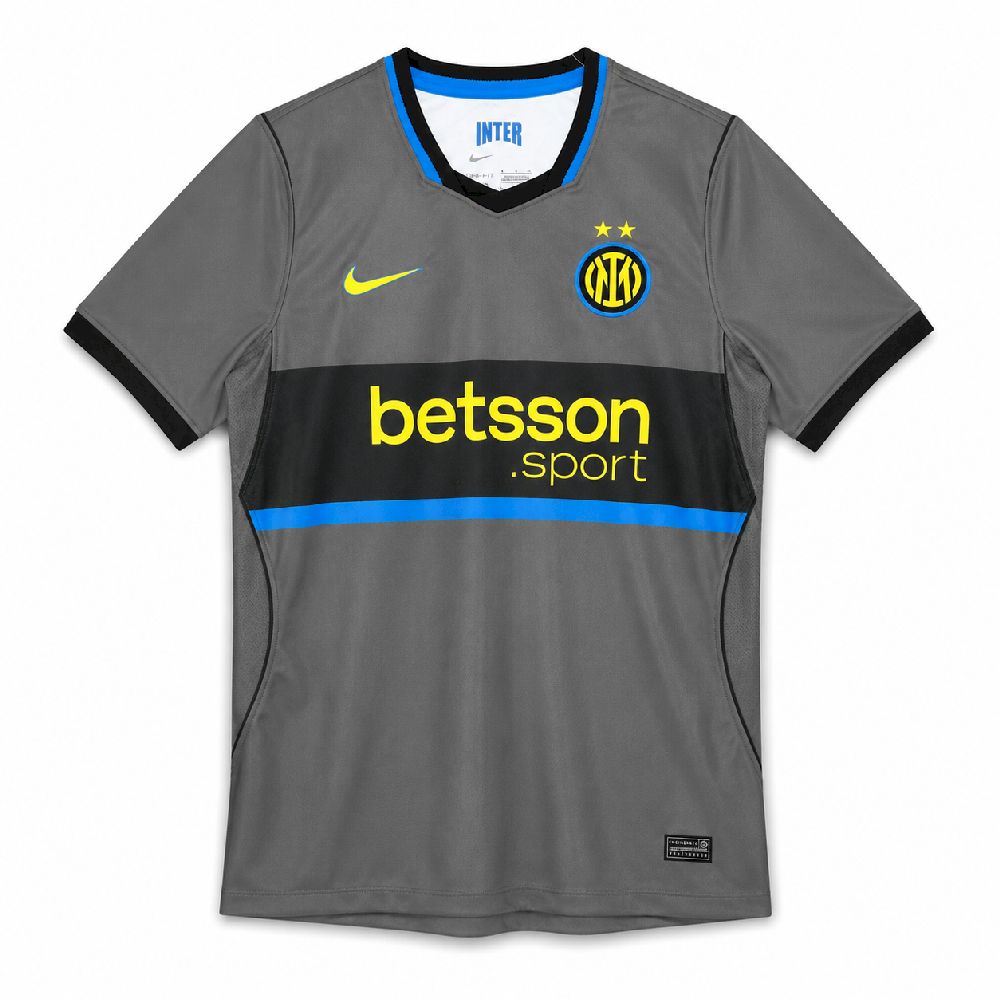
| Serie A (Italy) | One star per 10 league titles | Inter, two stars since the 20th title in 2024 |
| Bundesliga (Germany) | 1 to 5 stars for 3, 5, 10, 20 and 30 titles | Clubs climb the scale as titles add up |
| Süper Lig (Turkey) | One star per 5 league titles | Galatasaray, five stars after the 25th title in 2025 |
| One famous trophy | A single European Cup or Champions League win | Celtic (1967), Marseille (1993) |
Italy: one star for every ten Scudetti
The Italian idea came first. Juventus won their tenth league title in 1958, and the Italian federation allowed a gold star to mark it. Other leagues later adopted their own star systems. Inter reached 20 titles by beating Milan in the derby in April 2024, which brought a second star, and they added a 21st title in May 2026. You will find it above the crest on the Inter Milan 2026/27 home jersey. Milan stand on 19 titles and still wear one.
Germany: a fixed scale
In 2004 the German league introduced a scale it calls “Verdiente Meistervereine” (distinguished champion clubs). Three Bundesliga titles earn one star, five earn two, ten earn three, 20 earn four and 30 earn five. Only titles from the Bundesliga era, which began in 1963, count, so earlier German championships do not add stars.
Turkey: one star per five titles
In Turkey a star is worth five league titles. Galatasaray won their 25th title in May 2025 and became the first Turkish club allowed to wear five stars. Their current kit is the Galatasaray 2026/27 home jersey.
One star for one European title
Some clubs use a star for a single moment rather than a count. Celtic wear one star for the 1967 European Cup, the first won by a British club. This season’s shirt is the Celtic 2026/27 home jersey. Marseille have a star for the 1993 Champions League. Paris Saint-Germain won the Champions League in 2025 and again in 2026, beating Arsenal on penalties in Budapest, and the club moved to two stars to mark both wins. Our PSG second star explainer covers that one in detail.
How do you tell which kind of star you are looking at?
Start with the shirt itself. If it is a national team shirt, the stars count World Cups and nothing else. If it is a club shirt, check the league, because the same three stars mean 30 titles in Italy, 15 in Turkey and ten in Germany.
Colour can help too. Gold is the usual colour, but not the only one. In MLS, for example, silver stars have been used for earlier MLS Cup wins, so check the league’s rule if the stars look different.
Do retro shirts show the stars of their own era?
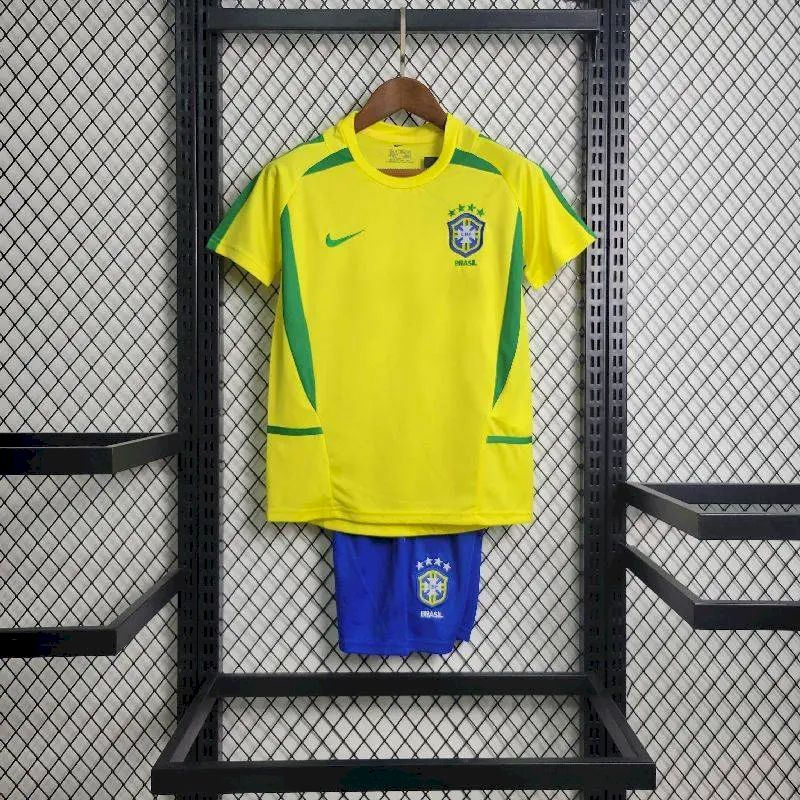
A retro shirt copies the badge of the season it is based on, so the star count matches that year, not today. A Brazil shirt from 1994 has three stars above the badge, while the 2002 shirt has four, because the fifth only came with the win in Japan and South Korea. It is a handy clue when you work out what year a football shirt is from.
When a team wins a new title, the extra star appears on new stock. Shirts made before the final keep the old count. If you are choosing one as a present, our football shirt gift guide covers sizes and order dates. Stars and badges are often embroidered or heat-pressed, so follow our washing guide to keep them in good shape.
FAQ
What do the stars on a football shirt mean?
On a national team shirt, each star is one World Cup win. On a club shirt, stars mark league titles or a major European trophy, using the rule of that club’s country, such as one star per ten league titles in Italy.
Which country has the most stars on its shirt?
Brazil, with five stars for the World Cups of 1958, 1962, 1970, 1994 and 2002. Germany and Italy have four each, and Uruguay also wears four because it counts two Olympic titles.
How many stars does Spain have?
Two. Spain added a second star after beating Argentina 1-0 after extra time in the 2026 World Cup final. The first star is for 2010.
Why do Inter Milan have two stars?
Italian clubs earn one star for every ten league titles. Inter won their 20th Serie A title in April 2024, so the shirt carries two stars.
Why does Uruguay have four stars?
Uruguay won the World Cup in 1930 and 1950, and also counts its Olympic football titles of 1924 and 1928, which it treats as world titles from before the World Cup existed.
433FC is an independent retailer of replica supporter shirts, not affiliated with any club, league or manufacturer.
🛒 Shop Argentina Jerseys — home, away & player versions, worldwide shipping.Shop Now →




 Premier League
 La Liga







 Serie A






 Bundesliga











 Liga MX







 Liga Portugal

 Ligue 1





 Kings League








 Brasileiro Serie A


















 MLS












 Other Leagues