Get 10% Off Your First Order Today! Use code at checkout: WELCOME10


How to Wash a Football Shirt Without Ruining It (2026 Care Guide)


Quick Answer
Wash a football shirt inside out at 30°C or cooler, on a gentle cycle, using a liquid colour-safe detergent. Never use fabric softener or chlorine bleach, and never tumble dry above the lowest heat setting. Hang it in the shade, and keep the iron away from printed names, numbers and heat-pressed badges.
Wash a football shirt inside out at 30°C or cooler, on a gentle cycle, using a liquid colour-safe detergent. Never use fabric softener or chlorine bleach, and never tumble dry above the lowest heat setting. Hang it in the shade, and keep the iron away from printed names, numbers and heat-pressed badges.
A modern football shirt is not a cotton T-shirt. It is engineered polyester with a bonded crest, heat-pressed sponsor lettering and, on player-issue kits, laser-cut ventilation. Treat it like everyday laundry and it will pill, fade, stop wicking sweat and start shedding letters within a season. Treat it properly and the same shirt still looks sharp several seasons later, whether it came from our Premier League collection or the back of a wardrobe.
🛒 Shop Premier League Jerseys — home, away & player versions, worldwide shipping.Shop Now →
How should you wash a football shirt?
Turn the shirt inside out, wash it at 30°C or cooler on a gentle or synthetics cycle with a liquid colour-safe detergent, and skip the fabric softener entirely. Wash it with other soft items only, and either air dry it in the shade or tumble dry on the lowest heat setting your machine offers.
This is not folklore, it is what the manufacturers themselves specify. Nike’s guidance for Dri-FIT apparel is to machine wash inside out in cold water with like colours and to avoid softeners, because softener residue reduces the fabric’s performance; its general washing instructions say the same. The care labels sewn into adidas AEROREADY and Puma dryCELL shirts carry near-identical wording: cold, gentle, mild detergent, no softener, no bleach.
Why is fabric softener so bad for football shirts?
Shop Premier League Jerseys
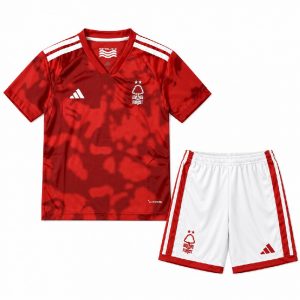
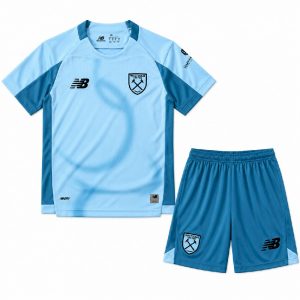

Softener works through cationic surfactants, which carry a positive charge and bond to the negatively charged surface of polyester. The result is a thin water-repellent film across every fibre. On cotton that feels pleasant. On a performance knit it seals the microscopic channels that move sweat from the inside face of the shirt to the outside, so the shirt stops breathing, holds moisture against the skin and starts smelling as soon as you put it on.
The cruel irony is that the shirt feels softer precisely because its moisture management is failing. Residue also builds cumulatively, so a shirt washed with softener for a season needs several detergent-free rinse cycles before it wicks properly again.
What washing settings should you use?
| Setting | Do this | Why it matters |
|---|---|---|
| Temperature | 30°C or cold | Heat softens the adhesive under heat-pressed numbers and accelerates colour bleed between panels |
| Cycle | Gentle or synthetics | Less mechanical friction means less pilling on the knit |
| Spin | Low, or none | High spin creases the shirt and stresses bonded crests |
| Detergent | Liquid, colour-safe | Powder does not fully dissolve at low temperatures and leaves gritty residue in the weave |
| Fabric softener | Never | Blocks wicking and traps odour |
| Chlorine bleach | Never, on any colour | Strips dye, yellows white polyester and degrades the elastane in stretch panels |
| Oxygen bleach | Spot soaks only, away from prints | Colour-safe on the fabric itself, but prolonged contact can lift heat-pressed vinyl edges |
| Drying | Air dry in shade, or tumble on lowest heat | Direct sun fades sponsor colours; dryer heat lifts vinyl lettering |
| Ironing | Inside out, coolest synthetic setting | A hot plate will melt polyester and destroy printing in seconds |
If the shirt has a zip, a Velcro captain’s armband tab or a sponsor patch with a lifting edge, put it in a mesh laundry bag. It costs a few pounds and stops the shirt snagging on the drum and on other garments.
The wash, step by step
- Brush off any dried mud and pre-treat grass or underarm marks before the shirt goes in the machine.
- Turn the shirt inside out and fasten any zip; add a mesh bag if there is Velcro or a lifting patch edge.
- Load it with soft items only, never with towels, jeans or anything with a hook or stud.
- Select a gentle or synthetics cycle at 30°C with a low spin, and add a liquid colour-safe detergent. No softener.
- Remove the shirt as soon as the cycle ends and reshape it by hand; do not wring it.
- Hang or lay it out to dry in a shaded, ventilated spot, then fold it for storage rather than leaving it on a hanger.
How do you protect printed names and numbers?
Printed personalisation is the first thing to fail on a football shirt, and almost always for the same three reasons: the wash was too hot, the shirt went in the dryer, or someone ironed directly over the print. Inside-out washing keeps the print off the drum wall. Air drying keeps it below the temperature at which the vinyl softens. And if you must iron, iron the shirt inside out on the lowest synthetic setting, keeping the plate away from the number block entirely; press the areas around it, never through it.
Sublimated numbers, where the ink is dyed into the fabric rather than pressed on top of it, are far more durable and survive treatment that would peel a vinyl set. Which one you are getting is worth checking before you order, and the difference is covered in our name and number printing guide.
How soon after a match should you wash a shirt?
Within a few hours, and never leave it balled up in a kit bag overnight. Sweat is mildly acidic and, combined with warmth and no airflow, it gives odour-causing bacteria ideal conditions. Mud and grass also bond far harder once they dry into the weave. If you cannot wash immediately, hang the shirt somewhere ventilated to dry out, then wash it the next day. Wash it after every wear; polyester does not benefit from being “aired between wears” the way wool does.
How do you get mud, grass and sweat marks out?
Each of the three common football stains wants a different approach.
Mud. Let it dry completely, then brush the crust off with a soft brush before the shirt goes anywhere near water. Wetting fresh mud drives the pigment into the fibres. Once brushed, work a little liquid detergent into the remaining shadow with your fingers, leave it fifteen minutes, then wash as normal.
Grass. Grass staining is chlorophyll, which lifts with alcohol rather than water. Dab the mark with surgical spirit on a white cloth, working from the outside inwards, rinse the area in cold water and wash straight away.
Sweat and deodorant. Sweat itself is not the stain. The yellowing under the arms of a white shirt is the reaction between perspiration salts and the aluminium compounds in antiperspirant, and it sets harder every time it goes through a hot wash. Soak the affected panel in cool water with a colour-safe oxygen-based stain remover for thirty to sixty minutes, keeping the solution away from any printing, then run the normal 30°C cycle. Do not scrub with a brush, and do not reach for chlorine bleach, which reacts with the residue and turns the mark permanently orange.
How should you store a football shirt?
Fold it, do not hang it. Polyester knits have very little structural memory, so a shirt left on a wire or thin plastic hanger for months develops permanent shoulder points and a stretched neckline. Store shirts flat in a drawer, folded print-side out with nothing heavy on top, and keep them out of direct light, which fades sponsor colours far faster than washing does. For shirts you display rather than wear, an acid-free tissue layer between the folds stops the print sticking to the fabric it is pressed against in warm weather.
Do retro and vintage shirts need different treatment?
Yes. Shirts from the 1980s and 1990s use heavier, less stable polyester, often with flocked or screen-printed graphics and stitched-on badges that were never designed for modern machines. Hand wash them in cool water with a mild detergent, press the water out flat between towels rather than wringing, and dry flat rather than on a hanger. The same caution applies to any authentic match-worn piece, and to most of what you will find in a retro jersey collection.
Does the shirt version change how you wash it?
It changes how careful you need to be. Player-version shirts use thinner, lighter knits with bonded seams and laser-perforated panels, so they tolerate friction less well than the heavier fan-version fabric. Wash them in a mesh bag, always cold, and never anywhere near a dryer. The structural differences are broken down in our fan versus player versus match version comparison, and the underlying fabric technologies in our Dri-FIT, AEROREADY and dryCELL fabric guide.
Does a badly fitting shirt wear out faster?
It does, and it gets overlooked. A shirt worn a size too small sits under constant tension across the chest and shoulders, which accelerates seam wear and pulls at the crest stitching with every movement. Too large and the excess fabric abrades against itself in the wash. If you are buying a replacement, check the measurements first with our football shirt size guide, and if you are buying from an unfamiliar seller, run through our authenticity checklist. Counterfeit shirts use unbonded, lower-grade prints that will not survive careful washing, let alone careless washing.
Football shirt care: frequently asked questions
Can you tumble dry a football shirt?
Only on the lowest heat setting, and it is better not to. Heat softens the adhesive under heat-pressed names, numbers and sponsor logos, which is the most common cause of lettering peeling. Hang the shirt in a shaded, ventilated spot instead; polyester dries quickly.
What temperature should you wash a football shirt at?
30°C or cold. Nike specifies cold-water washing for its performance fabrics, and adidas and Puma care labels say the same. Anything hotter risks colour bleed between panels and softens the vinyl on printed personalisation.
Why can you not use fabric softener on football shirts?
Softener leaves a positively charged, water-repellent film on the polyester fibres that seals the channels responsible for wicking sweat away from the skin. The shirt stops breathing and starts holding odour, and the effect builds up over repeated washes.
Can you iron a football shirt?
Yes, inside out, on the lowest synthetic setting, and never directly over printed numbers, names or heat-pressed badges. Press around the print block. Most polyester shirts drop their creases if hung damp, so ironing is rarely necessary.
How do you remove yellow underarm stains from a white football shirt?
Soak the area in cool water with a colour-safe, oxygen-based stain remover for 30 to 60 minutes, keeping it clear of any printing, then wash normally at 30°C. Avoid chlorine bleach entirely, as it reacts with the antiperspirant residue and turns the mark orange permanently.
How should retro football shirts be washed?
By hand, in cool water with a mild detergent. Press the water out between towels rather than wringing, and dry the shirt flat. Older flocked and screen-printed graphics and stitched badges are not built for machine agitation.
How often should you wash a football shirt?
After every wear. Polyester holds odour-causing bacteria far more readily than natural fibres, and sweat left in the fabric degrades the elastane in stretch panels over time.
🛒 Shop Premier League Jerseys — home, away & player versions, worldwide shipping.Shop Now →

 Premier League
 La Liga










































 Serie A























 Bundesliga




























 Liga MX











 Liga Portugal








 Ligue 1















 Kings League










 Brasileiro Serie A

































 MLS
MLS




















 Other Leagues