Get 10% Off Your First Order Today! Use code at checkout: WELCOME10


How to Personalise a Football Shirt: Name & Number Printing Guide (2026)

Quick Answer
To personalise a football shirt, a printing service heat-presses your chosen name and number onto the back using technical vinyl or flock lettering. Modern kits use light heat-transfer vinyl, while official league sets add the correct font and badges. A calibrated press bonds the set for years without harming the fabric.
To personalise a football shirt, a printing service heat-presses your chosen name and number onto the back using technical vinyl or flock lettering. Modern kits use light heat-transfer vinyl, while official league sets add the correct font and badges. A calibrated press bonds the set for years without harming the fabric.
Adding a name and number turns a plain replica into your shirt — but the print method, sizing and lettering you choose decide whether it survives a season of washes. This guide covers how to personalise a football shirt properly: how the printing works, the difference between the methods, official sizing, and how to stop a set peeling.
🛒 Shop 2026 World Cup Jerseys — home, away & player versions, worldwide shipping.Shop Now →
How do you personalise a football shirt?
You personalise a football shirt by applying a name and number to the back — and sometimes a number to the front — using heat-pressed lettering. A supplier cuts the characters from a technical vinyl or flock material, positions them to a template, then bonds them to the fabric with a professional heat press set to a fixed temperature, pressure and time. A household iron cannot reach an even, lasting bond, so personalisation is best left to a printing service.
Flock or heat-transfer vinyl: which printing is better?
Shop 2026 World Cup Jerseys
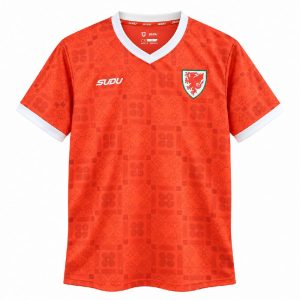
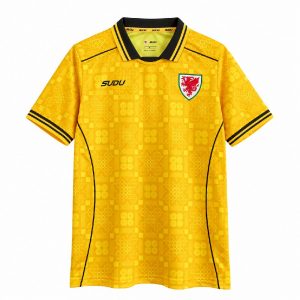
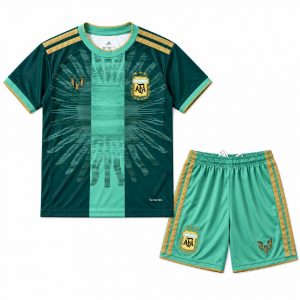
Modern kits almost always use heat-transfer vinyl (HTV). It is light, slightly stretchy and lies flat against the fabric, which is why it became the elite standard. Flock — the raised, velvety felt finish seen on 1990s and 2000s shirts — looks premium but is heavier and was largely phased out by the mid-2010s for performance reasons. The choice below is worth understanding before you order.
| Feature | Heat-transfer vinyl (HTV) | Flock |
|---|---|---|
| Finish | Smooth, thin, matte or glossy | Raised, velvety, textured |
| Weight | Very light | Noticeably heavier |
| Durability | Excellent when applied correctly | Very durable but bulkier |
| Modern use | Standard on current kits | Rare; mostly retro reissues |
| Best for | Player-spec look, breathability | Nostalgic 90s-style shirts |
How big should the name and number be?
Under FIFA equipment guidance, the number on the back of a shirt should sit roughly 25–35cm tall so it is legible from the stands and on camera, with the surname printed in a curved block above it. Front numbers, where used, are smaller than the back number and sit on the chest. If you want a match-accurate look, follow those proportions; if you are personalising for everyday wear, exact sizing matters less than clean, centred placement.
Should you use official league lettering?
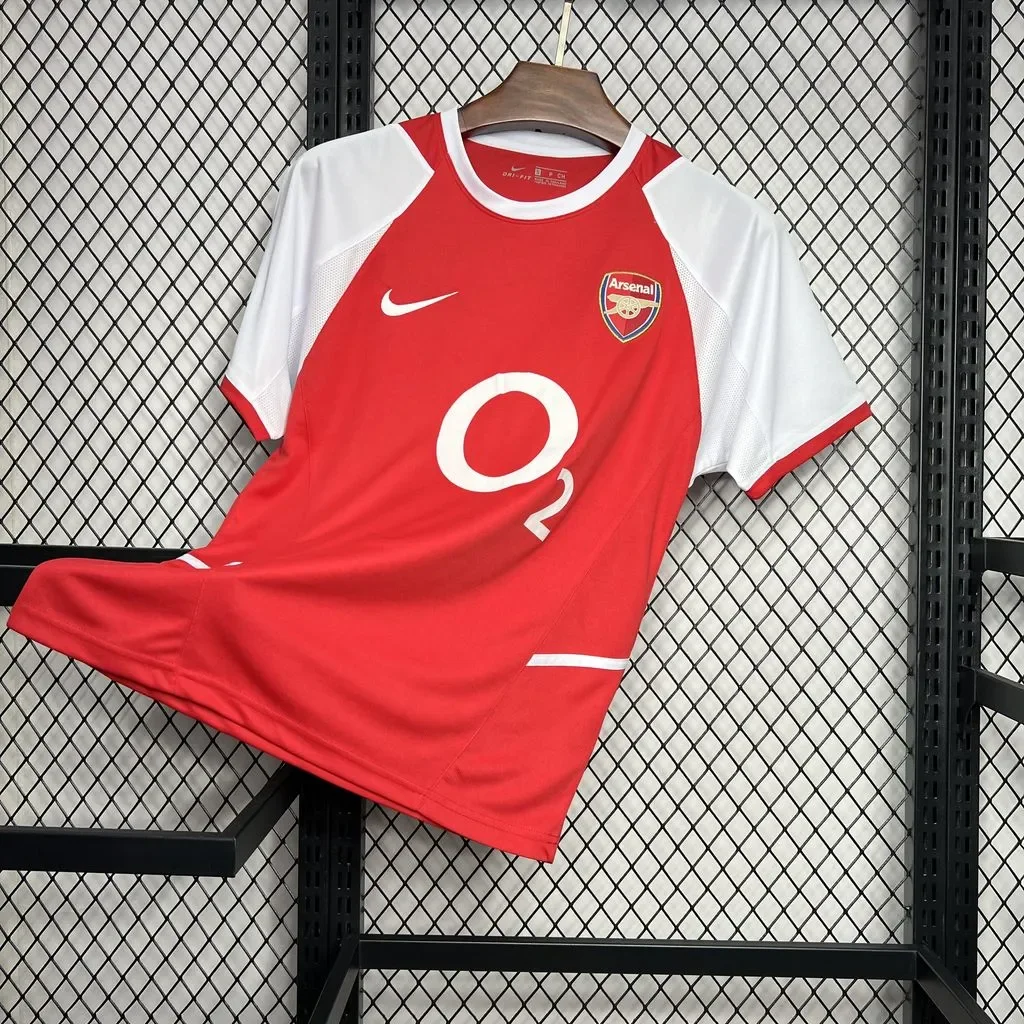
Official lettering is the licensed font and layout a competition mandates — many leagues, such as the Premier League and La Liga, use their own, and national-team kits from adidas and Nike share a unified federation typeface that adidas supplier dekoGraphics introduced around Euro 2000. Official sets often include the correct sleeve or competition badges too, which a generic set will not. If you want your shirt to match what players actually wear, choose official league lettering; a standard set is fine, and cheaper, if you simply want a name on the back. Reserve player-grade detail for a player-version shirt where the fabric and fit already match the pitch specification.
How do you stop names and numbers peeling?
Peeling usually comes from heat and friction, not age — in our experience the shirts that come back with lifting corners have almost always been through a tumble dryer. Wash the shirt inside out at 30°C, skip the tumble dryer, and never iron directly over the print — press from the reverse with a cloth if needed. A correctly heat-pressed set on the right fabric should last for years; a lifting corner early on points to a rushed application rather than normal wear. For full fabric-care advice, see our shirt guides and always confirm you are personalising a genuine shirt first — our authenticity guide shows how to check.
Personalise your World Cup 2026 shirt
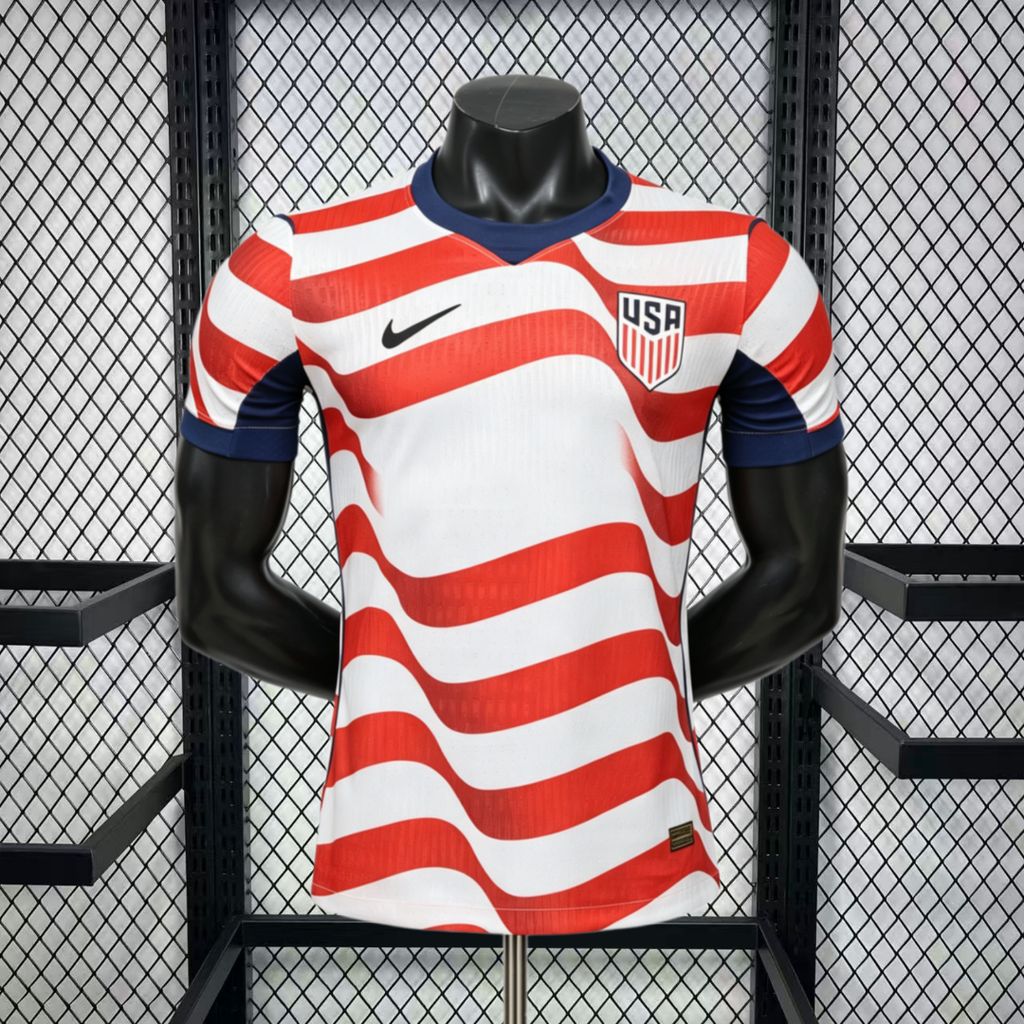
The best time to personalise a football shirt is on a kit you will actually wear to the tournament. Browse the full 2026 World Cup collection — including the USA home player version — then add the name and number that make it yours. If you are unsure which shirt tier suits you, our home, away and third kits explained guide breaks down the options.
Frequently asked questions
Can I personalise any football shirt?
Almost any replica or player-version shirt can be personalised, provided the back panel is a single flat area without seams or logos in the print zone. Genuine shirts hold heat-pressed lettering far better than counterfeits, whose fabrics can scorch or reject the bond.
Does adding a name and number reduce a shirt’s value?
For everyday fans, no — it makes the shirt yours. For collectors, a blank shirt or an official match-issue print holds value best; a custom name added later can lower resale interest.
Will personalisation damage the fabric?
No, when done professionally. A calibrated heat press bonds the lettering without burning the technical fabric. Damage almost always traces back to a domestic iron or an over-hot, over-pressed application.
Can I remove a name and number later?
Sometimes, but not cleanly. Heat can lift a set, yet it often leaves a faint outline or adhesive residue on the fabric, so treat personalisation as permanent.
🛒 Shop 2026 World Cup Jerseys — home, away & player versions, worldwide shipping.Shop Now →


 Premier League
 La Liga














 Serie A









 Bundesliga





















 Liga MX







 Liga Portugal




 Ligue 1








 Kings League







 Brasileiro Serie A




















 MLS
MLS











 Other Leagues