Get 10% Off Your First Order Today! Use code at checkout: WELCOME10


Home, Away & Third Kits Explained: What’s the Difference?

Quick Answer
Home, away and third kits are the three strips most teams produce each season. The home kit uses a club’s traditional colours, the away kit is a contrasting change strip worn when colours clash, and the third kit is an optional backup and fashion-led release.
Home, away and third kits are the three strips most teams produce each season. The home kit uses a club’s traditional colours, the away kit is a contrasting change strip worn when colours clash, and the third kit is an optional backup and fashion-led release.
Home, away and third kits are the three strips almost every football club and national team produces each season. The home kit uses a club’s traditional colours; the away kit is a contrasting design worn when those colours clash with the opposition; and the third kit is an optional extra used when neither the home nor away strip provides enough separation, or simply as a fashion-led release.
🛒 Shop Jerseys — home, away & player versions, worldwide shipping.Shop Now →
Key takeaways
- Teams need multiple kits because the Laws of the Game require both sides to wear colours that clearly distinguish them from each other and the match officials.
- The home kit carries a team’s identity and heritage colours; the away kit is the mandated change strip; the third kit is a backup and a commercial release.
- The visiting side normally changes, so away and third kits exist to guarantee a colour contrast at any ground.
- For most supporters the home shirt is the safe first buy, with away and third shirts adding variety to a collection.
Why do teams have more than one kit?
The reason is written into the rulebook. Under Law 4 of the IFAB Laws of the Game, the two teams must wear colours that distinguish them from each other, from the goalkeepers and from the referees. If a home side and a visiting side turn up in similar colours, one of them has to change — and competition rules almost always place that duty on the away team.
Clear colour separation is not only about looks. Referees and assistant referees rely on it to track players, judge offside and follow the ball at speed. A single strip per team would make fixtures between, say, two red clubs impossible to officiate. That is why a full kit set now runs to at least two outfield designs, and often three.
The home kit
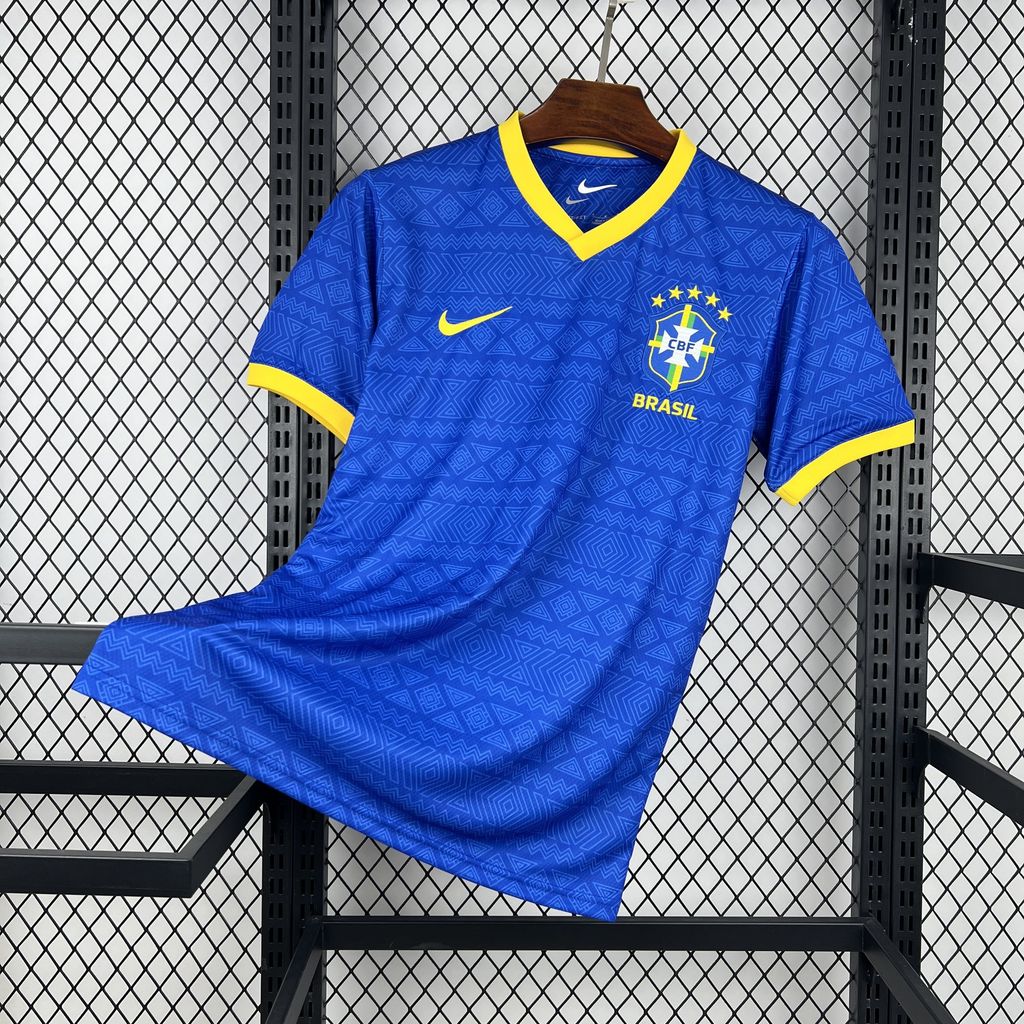
The home kit is the strip a team wears at its own ground and the one most closely tied to its identity. It uses the traditional or “primary” colours a club or nation is known for — the red of Manchester United, the yellow and green of Brazil, the white of Real Madrid. Because it changes least from season to season, the home shirt is usually the best seller and the design supporters recognise first.
If you are buying one shirt to represent your team, the home kit is the natural choice. It is also the design most likely to be worn across a full campaign, since the home side keeps its colours whenever there is no clash.
The away kit
The away kit — sometimes called the change strip — is worn when the home shirt would clash with the opposition. It is deliberately built to contrast: a red team will often have a white, black or pale away shirt, while a blue team might switch to yellow or orange. Manufacturers give themselves more creative freedom here, which is why away designs tend to be bolder and change more frequently than home kits.
Away shirts are worn less often than home shirts over a season, but they are a popular collector’s choice precisely because the designs are more adventurous.
The third kit
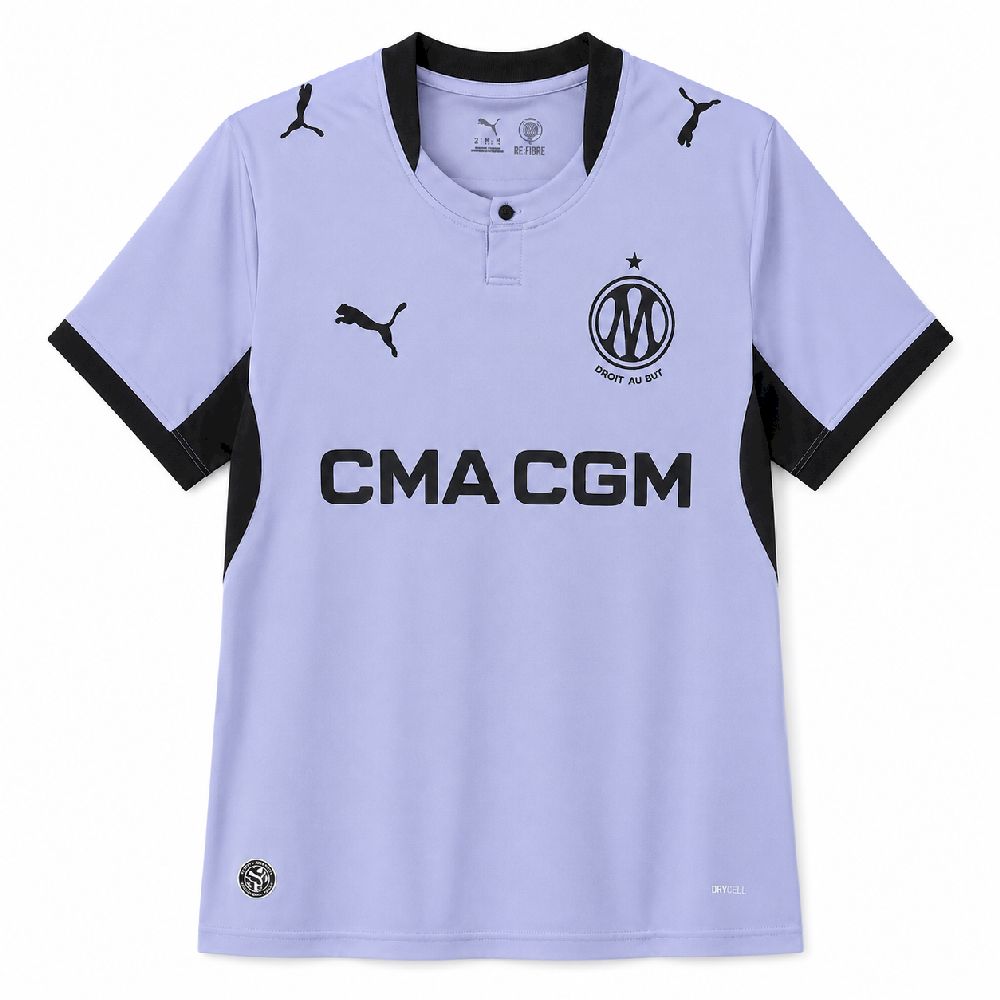
The third kit is the optional extra. Its original purpose is practical: on the rare occasion when both the home and away strips clash with the opponent, a team needs a fourth colour to fall back on. In practice, plenty of third kits are barely needed for that reason and exist mainly as a commercial and fashion-led release, often in adventurous colourways aimed at supporters rather than dictated by fixtures.
For collectors, third shirts are frequently the most sought-after of the set because production runs are smaller and the designs are the most experimental. In our own stock the third kits tend to be the first designs to sell out, which mirrors that smaller-run, higher-demand pattern.
What about goalkeeper kits?
Goalkeepers sit outside the home/away/third system. The Laws of the Game require each goalkeeper to wear colours that separate them from both sets of outfield players and the officials, so keepers get their own distinct strips — usually in greens, yellows, greys or bright shades that no outfield kit is using that day.
Home vs away vs third: the quick comparison
| Feature | Home kit | Away kit | Third kit |
|---|---|---|---|
| Main purpose | Team identity, worn at home | Mandatory change strip for clashes | Backup strip and fashion release |
| Colours | Traditional / primary | Contrasting | Experimental, often bold |
| How often worn | Most matches | Regularly, away from home | Occasionally |
| Design changes | Conservative | Bolder | Most adventurous |
| Best for | First-time buyers | Variety in a collection | Collectors and standout looks |
Which kit should you buy?
If it is your first shirt for a team, start with the home kit — it is the most recognisable and ages the best. If you already own the home shirt, an away or third kit adds contrast to your collection and often carries the more striking design. Whichever you choose, decide between a player version and a fan version based on fit and budget, check our football shirt size guide before ordering, and if authenticity matters to you, read how to spot a fake football shirt.
You can browse full home, away and third kit ranges across our 2026 World Cup collection and the wider club football range. To see the contrast in action, compare the England 2026 home shirt with the England 2026 away shirt, or take a look at a dedicated goalkeeper jersey to see how keepers get their own colours.
Frequently asked questions
How many kits does a football team have?
Most teams produce at least two kits — a home and an away — and usually a third kit as well. Goalkeepers have their own separate strips on top of that, so a full season’s kit set can run to five or more designs once outfield and goalkeeper versions are counted.
What is the difference between an away kit and a third kit?
The away kit is the primary change strip, worn whenever the home kit clashes with the opposition. The third kit is a secondary backup used only when both the home and away strips would clash, and it doubles as a more experimental, fashion-led release.
Why do away teams have to change their kit?
Because the Laws of the Game require the two teams to be clearly distinguishable, and competition rules put the duty to change on the visiting side. If the away team’s colours are too close to the home team’s, they switch to their away or third kit so players and officials can tell the sides apart.
🛒 Shop Jerseys — home, away & player versions, worldwide shipping.Shop Now →




 Premier League
 La Liga




























 Serie A
















 Bundesliga























 Liga MX







 Liga Portugal







 Ligue 1












 Kings League









 Brasileiro Serie A

























 MLS
MLS


















 Other Leagues