Get 10% Off Your First Order Today! Use code at checkout: WELCOME10


Brazil Retro Shirts: Every Classic Kit Explained

Quick Answer
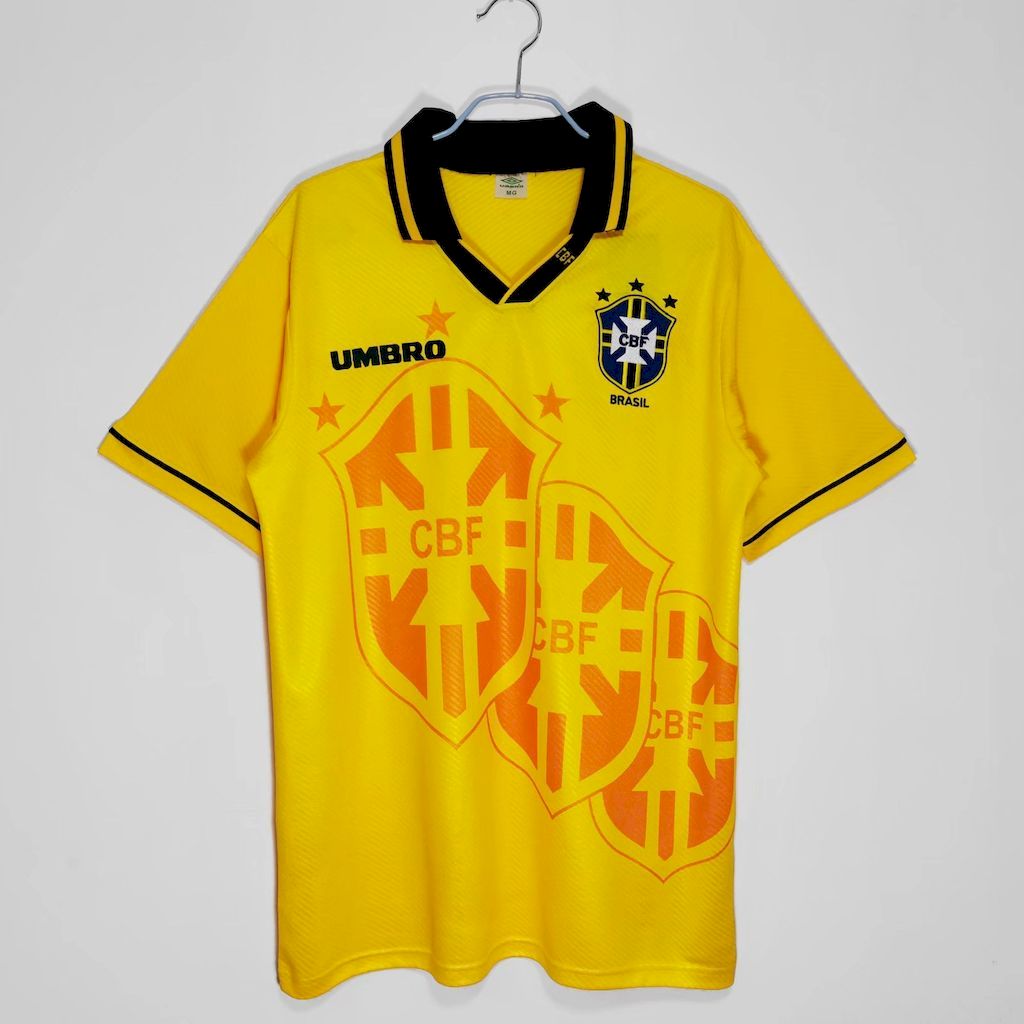
433FC stocks 43 Brazil retro shirts from a 1958 reproduction to 2024, with the 1990s deepest at 20 lines. Brazil adopted the canarinho yellow after abandoning white in 1950, following a 1953 newspaper design competition. All shirts here are replica reissues rather than licensed originals.
433FC stocks 43 Brazil retro shirts from a 1958 reproduction to 2024, with the 1990s deepest at 20 lines. Brazil adopted the canarinho yellow after abandoning white in 1950, following a 1953 newspaper design competition. All shirts here are replica reissues rather than licensed originals.
No national shirt carries more meaning than Brazil’s, and almost none of it was planned. The
canarinho yellow exists because of a defeat: Brazil played in white until 1950, lost the deciding match of their
own World Cup, and replaced the kit entirely. Our 43 Brazil retro lines run from a 1958 reproduction through 1970,
1988 and the Umbro and Nike years to a 2024 pre-match shirt, with the 1990s the deepest section. Below is the
range, then the story of how the yellow shirt came to exist.
🛒 Shop Retro Jersey — home, away & player versions, worldwide shipping.Shop Now →
For more on retro sizing and the most collected eras worldwide, see our classic football shirts guide.
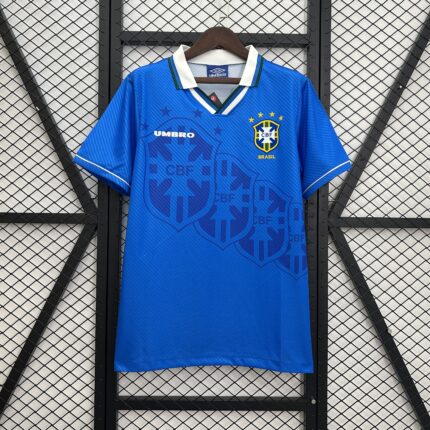
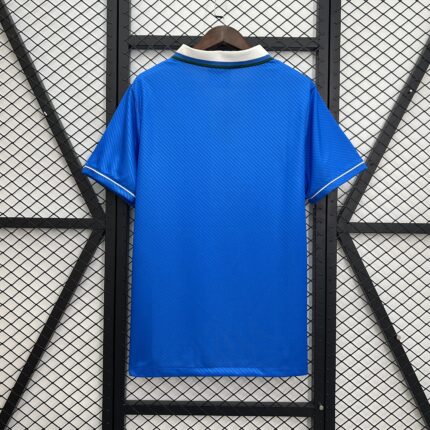
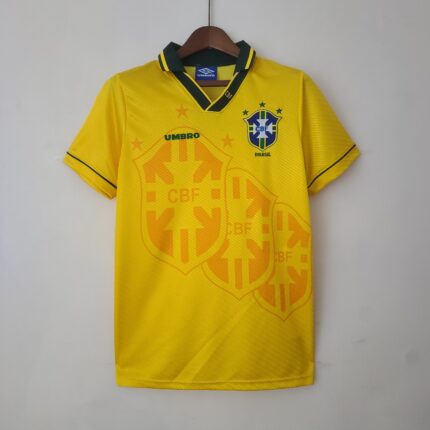
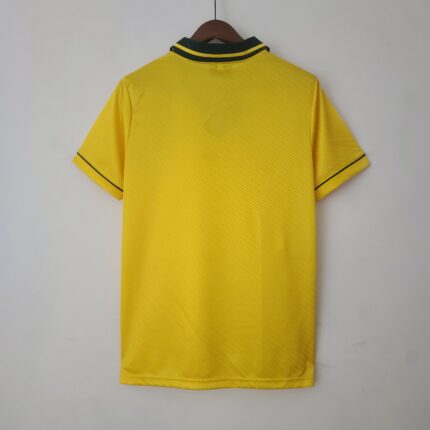
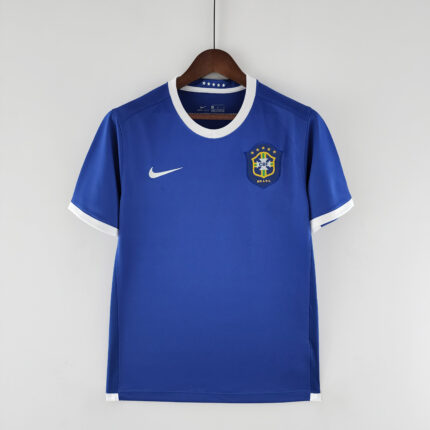
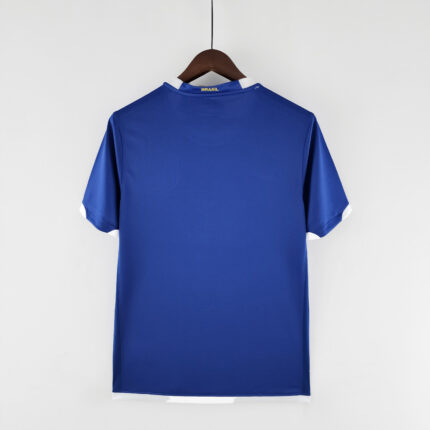
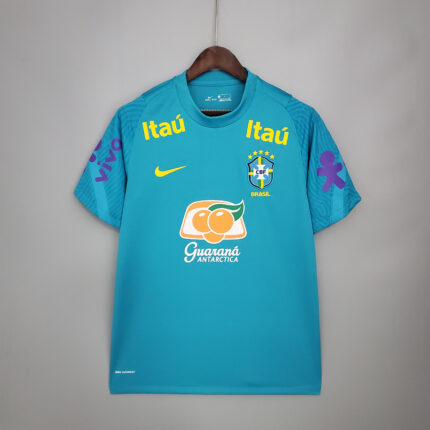
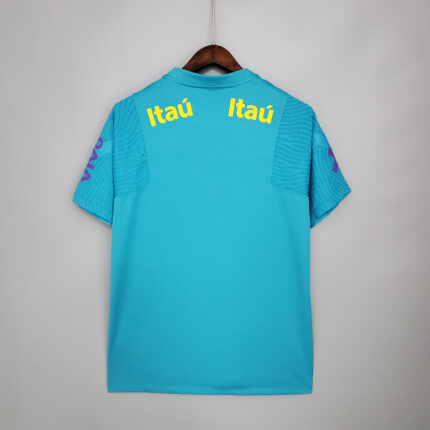


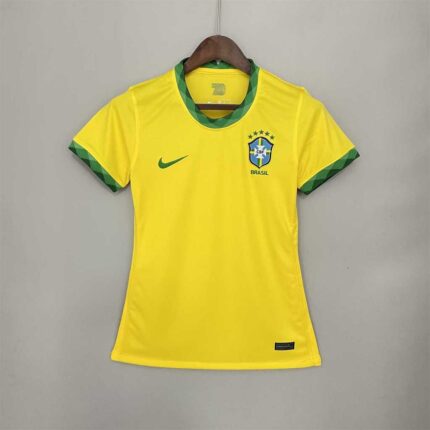

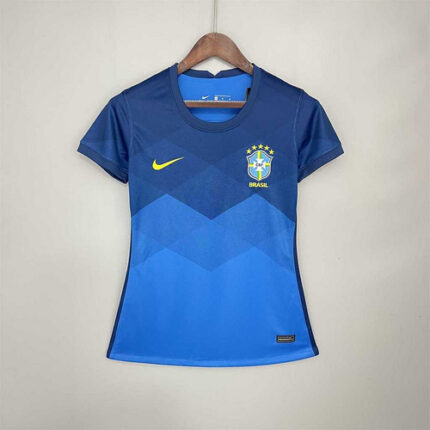
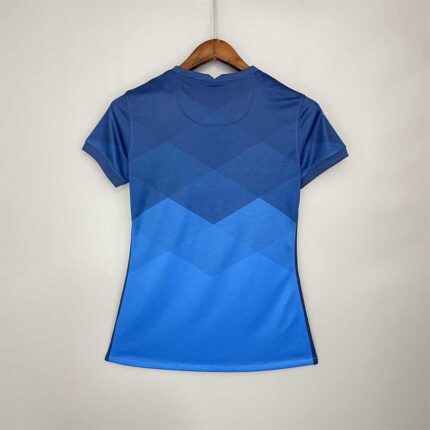


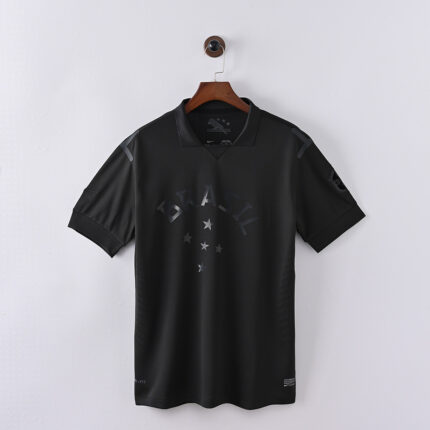
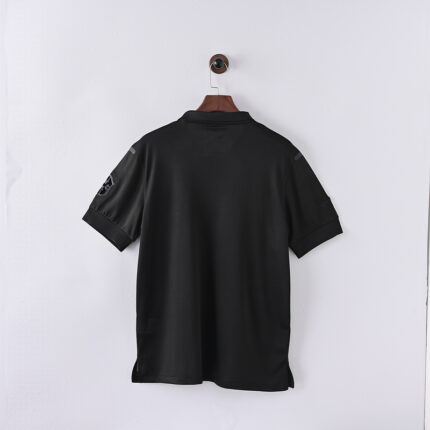


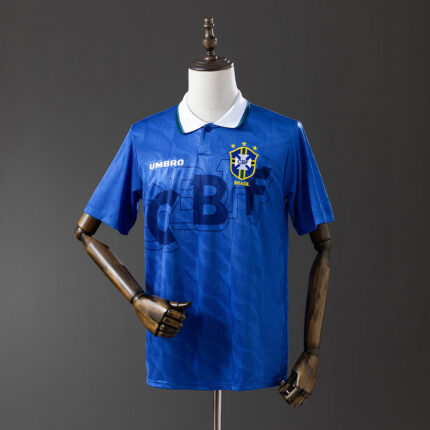
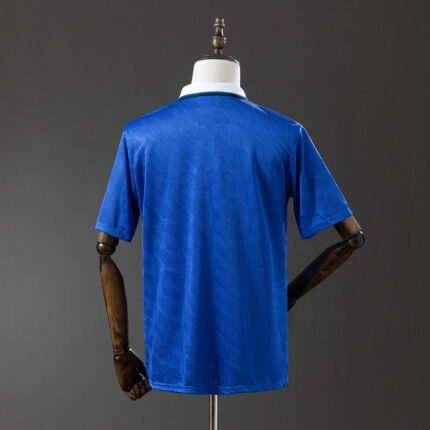

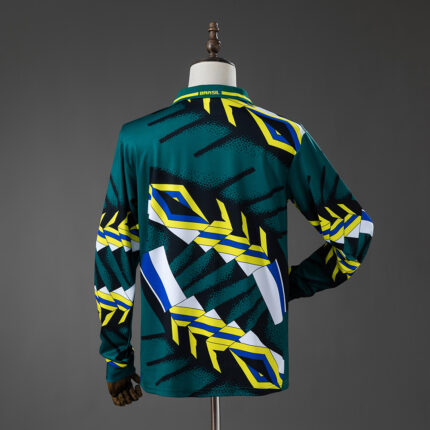
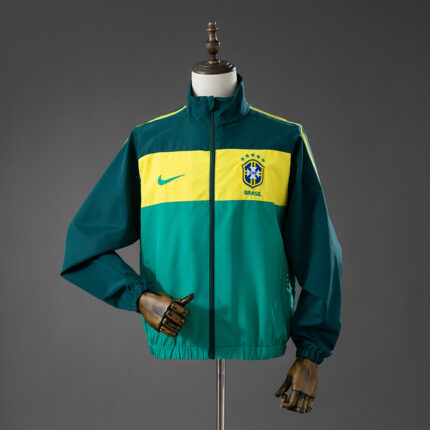
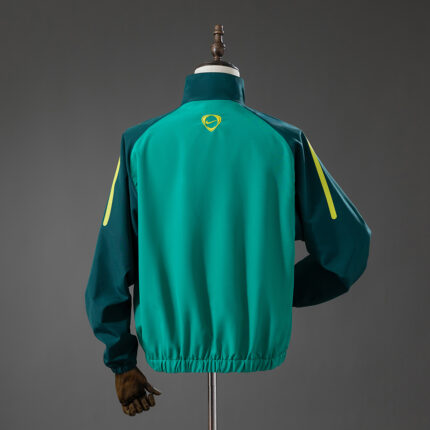
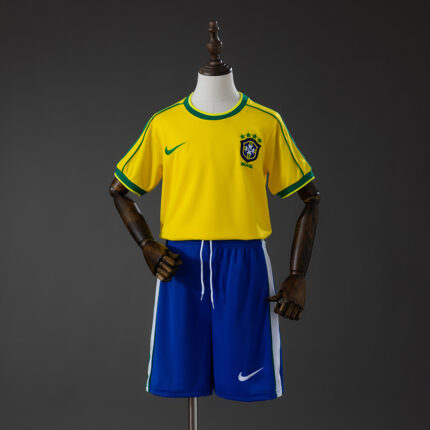
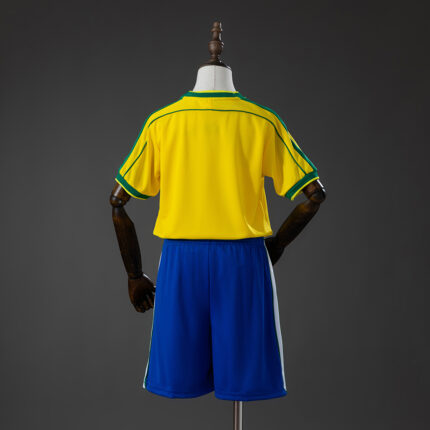


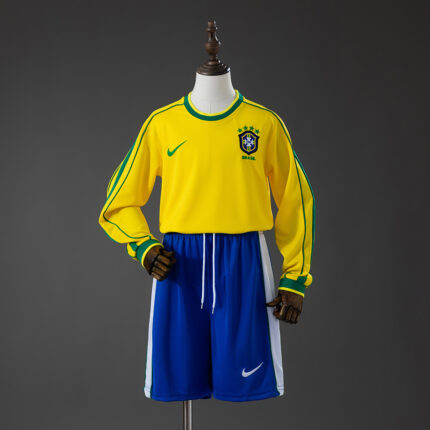
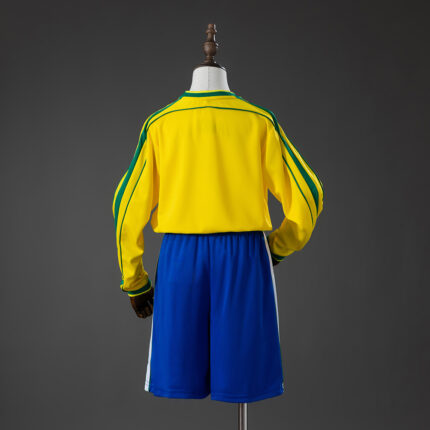
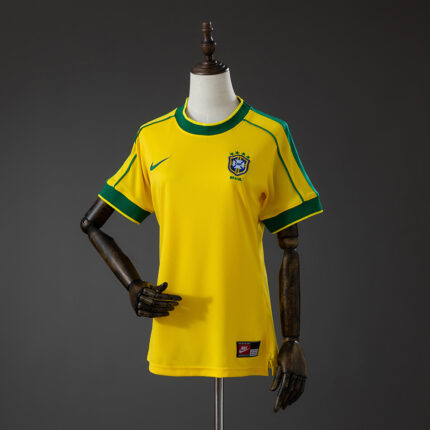
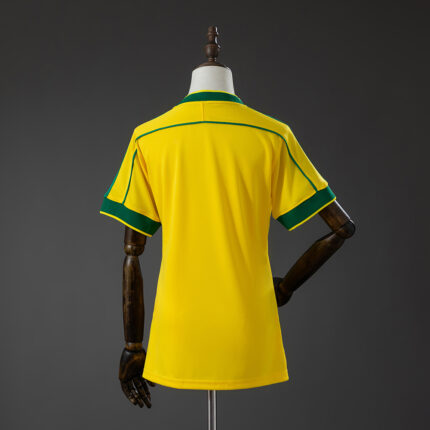
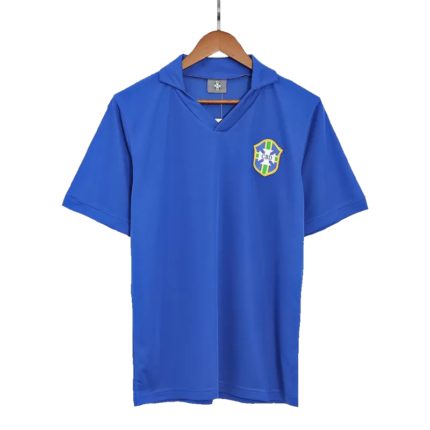
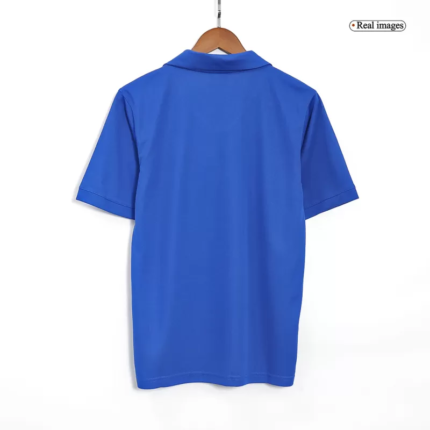
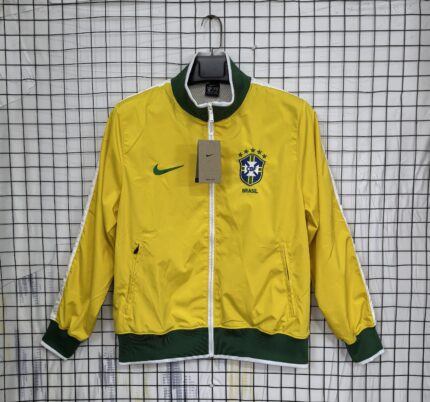
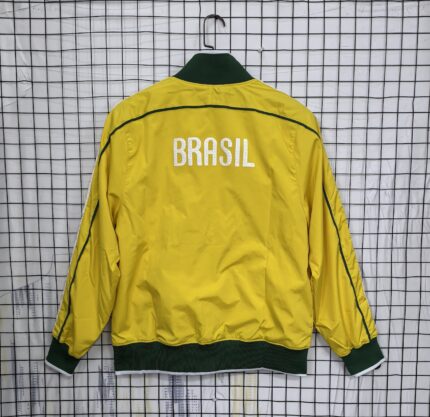
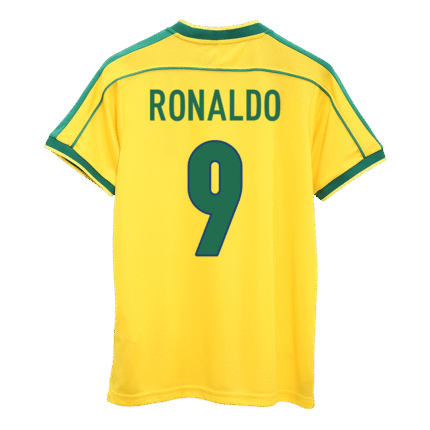
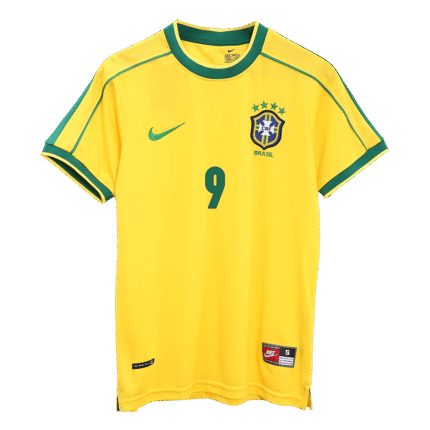


Which Brazil eras does this range actually cover?
Brazil’s kit suppliers changed hands several times, and our stock spans all of them:
- 1950s — 1 shirt. A 1958 reproduction, from the first of Brazil’s World Cup wins and the era
when Athleta was the named supplier. - 1970s — 1 shirt. The 1970 home, from the side that beat Italy 4-1 at the Estadio Azteca on 21
June 1970 to win a third title and keep the Jules Rimet Trophy outright. - 1980s — 1 shirt. A 1988 home, from the Topper period that ran from 1981 to 1991.
- 1990s — 20 shirts, the deepest slice. The Umbro years and the start of Nike. Covers 1991/93,
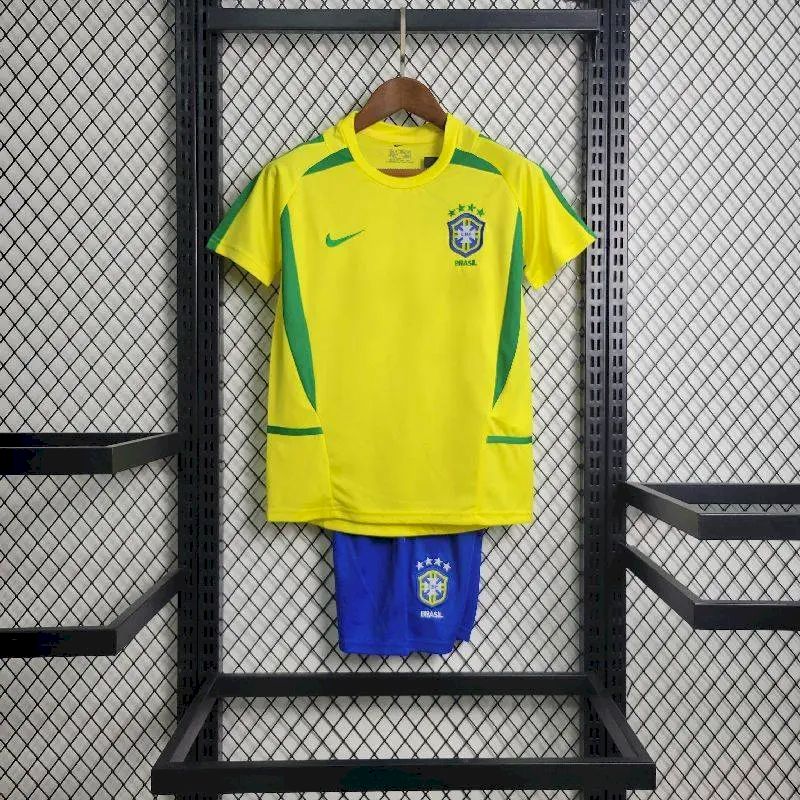
1994, 1995, 1997 and 1998 in home, away and goalkeeper versions. - 2000s — 12 shirts. Nike throughout, including 2002, 2004 and 2006.
- 2010s — 6 shirts. Including 2010, 2012/13, 2014 and 2019.
Why is the Brazil shirt yellow when they used to play in white?
Shop Retro Jersey
Because Brazil abandoned white after losing the deciding match of the 1950 World Cup at home. In September 1953 the newspaper Correio da Manha ran a competition for a replacement that had to use all four colours of the national flag. A teenage illustrator, Aldyr Garcia Schlee, won it. The kit debuted in March 1954.
Sources differ on whether Schlee was 18 or 19 when he won, and on whether to describe him as from Jaguarao,
where he was born on the Uruguayan border, or Pelotas, where he later worked. What is not disputed is the brief:
the design had to use the green, yellow, blue and white of the flag, which meant white could no longer lead. He
became a journalist and academic, and died in 2018.
How do you tell an original 1970 Brazil shirt from another?
By the numbers on the back. Brazil arrived at the 1970 World Cup with two sets of shirts, one from the domestic maker Athleta and one from Umbro, and kit historians record that the two were indistinguishable except for the design of the back numbers. It is the single most useful authentication detail on that shirt.
| Year | Supplier era | What made it famous |
|---|---|---|
| 1958 | Athleta | The first World Cup win, and the first tournament played in the new yellow kit cycle. |
| 1970 | Athleta and Umbro | Beat Italy 4-1 in Mexico City for a third title; two supplier sets differed only in the back numbers. |
| 1988 | Topper | From the decade Brazil was supplied by a regional brand rather than a global one. |
| 1994 | Umbro | Umbro’s first Brazil World Cup kit, worn to a fourth world title in the United States. |
| 1998 | Nike | Lost the final 3-0 to France in Saint-Denis, the night Ronaldo was withdrawn from the teamsheet and then reinstated. |
| 2002 | Nike | The fifth world title, and the most reproduced modern Brazil shirt. |
What should you look for when buying Brazil retro shirts?
Be wary of the manufacturer claims attached to older Brazil shirts, because a lot of listings get them wrong.
Topper is frequently credited with the 1958, 1962 and 1970 shirts, which is impossible: the brand was not founded
until 1975. Athleta was the named supplier from 1954 to 1977, with Umbro shirts used alongside them at those World
Cups. Adidas held the contract briefly from 1977, Topper from 1981 to 1991, Umbro from 1991, and Nike since 1997.
The 1982 shirt is worth a special mention, because it is the clearest example of a kit whose value has nothing
to do with results. Brazil did not win in Spain that year, going out to Italy in the second group phase, but the
Tele Santana side of Zico, Socrates, Falcao and Eder is widely held to be more gifted than several teams that did
win, and the Topper shirt is prized accordingly. That is a recurring theme in this range: the white kit Brazil
abandoned in 1950 is collected for the same kind of reason.
Are 433FC Brazil retro shirts authentic reissues or replicas?
They are replica reissues rather than licensed originals, and we are not an official CBF retailer. We reproduce the colour, crest and design of the original tournament shirt on modern fabric. Genuine period Athleta, Topper or Umbro Brazil shirts are vintage-market items priced far above a reissue.
How should a Brazil retro shirt fit?
The older reproductions follow originals that were cut heavy and loose, so the 1970 and 1988 shirts sit boxier than a modern kit. The 1990s Umbro and Nike shirts are closer fitting, and the 2000s lines are trimmer again. If you want the vintage silhouette, stay with your usual size on the older shirts.
Adult sizes run S to XXL with some lines extending further, and kids’ kits and goalkeeper shirts carry their own
size runs on each product page. For more on the 1970 kit specifically, read our piece on the
iconic Brazil 1970 World Cup kit. Otherwise browse the wider
Brazil collection, the full retro football shirt collection, or our
guide to the most iconic retro football kits.
🛒 Shop Retro Jersey — home, away & player versions, worldwide shipping.Shop Now →



 Premier League
 La Liga








 Serie A





 Bundesliga











 Liga MX



 Liga Portugal
 Ligue 1




 Kings League





 Brasileiro Serie A












 MLS
MLS





 Other Leagues