Get 10% Off Your First Order Today! Use code at checkout: WELCOME10


Remembering the iconic Brazil 1970 World Cup kit


Some shirts are remembered. Brazil’s 1970 home shirt is canonised. Worn in Mexico’s thin air by a generation of forwards who turned football into theatre, the canary-yellow jersey with green trim has become the visual shorthand for the most beloved international side ever assembled. With the 2026 World Cup now weeks away — and Nike reaching back to 1970 for inspiration on Brazil’s new release — it is the perfect moment to revisit the shirt that started it all.
🛒 Shop Brazil Jerseys — home, away & player versions, worldwide shipping.Shop Now →
Why the 1970 Brazil shirt still matters
The shirt’s status is not just nostalgia. The Times ranked it the greatest football shirt of all time, ahead of Holland 1988 and Argentina 1986. Three reasons explain its grip on the imagination:
- The football inside it. Brazil won every match in Mexico. Pelé, Carlos Alberto, Jairzinho, Tostão, Rivélino and Gérson played the most fluent football the tournament had seen.
- The colour TV moment. 1970 was the first World Cup broadcast in colour for many viewers. The yellow-and-green simply detonated on screen.
- The first numbered final. Squad numbers ran 1 to 22, fixed for the tournament — Pelé in 10, Carlos Alberto in 4, Jairzinho in 7. The shirt became a uniform of legend.
The story behind the canary yellow
Brazil did not always wear yellow. Until the 1950 World Cup they played in plain white. After Uruguay’s victory at the Maracanã that year — the Maracanazo — a national newspaper ran a competition to redesign the kit using all four colours of the Brazilian flag. A 19-year-old illustrator from Rio Grande do Sul, Aldyr Garcia Schlee, submitted the winning sketch: a yellow shirt with green trim, blue shorts, white socks. O Canarinho — the little canary — was born, debuting in 1954 and lifting its first World Cup in 1958.
By 1970 the design had been refined. The collar was a clean V-neck in green, the fabric a heavier woven cotton that held its shape in the heat of the Estadio Azteca, and a small CBD crest sat over the left breast. There was no manufacturer logo. Brazilian sides of the era wore unbranded shirts produced domestically, a detail that gives the original match-worn examples their austere, almost Soviet purity.
The final: 21 June 1970, Estadio Azteca
Brazil 4–1 Italy. Pelé opening with a header from Rivélino’s cross. Gérson lashing the second from outside the box. Jairzinho extending his record of scoring in every match of the tournament. And then, with four minutes left, the goal that defined the shirt: nine Brazilians touching the ball, Clodoaldo dancing through midfield, Pelé rolling it into the path of his charging captain, and Carlos Alberto thundering it past Albertosi. Number 4. Yellow shirt. Green collar. The most photographed kit moment in the sport’s history.
How the 1970 shirt influenced everything that came after
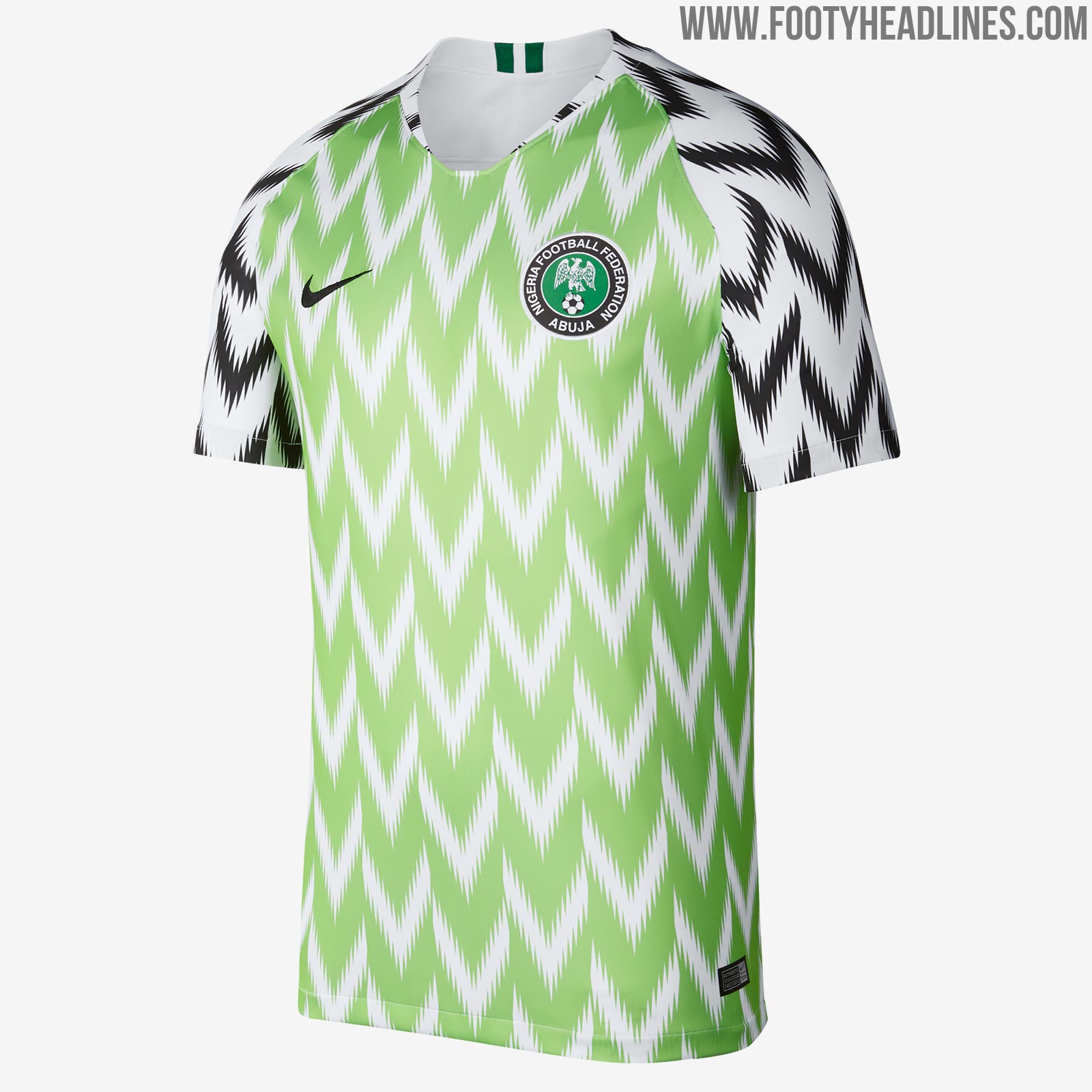
The DNA of that jersey runs through every Brazil home shirt since. Nike, who took over the contract in 1996, has periodically returned to it — most explicitly in 2002, 2014 and now in the 2026 release, which leans on the deeper, slightly mustard-tinted yellow of the Mexico shirts rather than the brighter modern hue. Even non-Brazilian designers reference it. When Nigeria’s 2018 shirt sold out within minutes, the colour blocking and bold front graphic were in direct conversation with the canary template.
What to look for in a retro 1970 shirt today
The market is full of replicas. Knowing what separates a good retro from a costume is half the fun.
- Collar: a true 1970 shirt has a V-neck in solid green, not a polo collar. Polo versions belong to 1962 or earlier.
- Crest: the small embroidered CBD shield, not the modern CBF crest, which was only adopted in 1980.
- Numbers: flock, not printed. Plain block style. White on yellow front, green numerals on yellow backs in some editions.
- Fabric: a heavier cotton or cotton blend — the lightweight polyester of modern fan kits is a giveaway.
If you want to wear the era without hunting auction houses, the modern Retro Brazil 1998 special jersey follows the same colour grammar, while the Retro Brazil 2019 away jersey shows how the navy alternate evolved from those Mexico shorts.
Pairing the past with the present
If you collect shirts as a way of mapping eras, the 1970 home is the keystone. Place it alongside a modern Brazil training piece — the Brazil 2024/25 training jersey and short works well — and the contrast tells the whole 56-year story: from unbranded cotton to engineered polyester, from a hand-illustrated crest to a global Nike contract worth tens of millions. With the new 2026 home shirt drawing directly from this well, owning a faithful 1970 retro is the cleanest way to anticipate the World Cup that is about to arrive.
FAQ
Who designed the original Brazil yellow shirt?
Aldyr Garcia Schlee, a 19-year-old illustrator from Rio Grande do Sul, won a 1953 newspaper competition to redesign the national kit after the Maracanazo. He used all four colours of the Brazilian flag and called the result O Canarinho.
Which manufacturer made the 1970 Brazil shirt?
None of the major sportswear brands. The shirts were produced domestically and worn without a manufacturer logo. Nike’s relationship with the CBF only began in 1996.
Is Brazil’s 2026 World Cup kit based on the 1970 design?
Yes. Nike’s 2026 release returns to the deeper canary tone of the Mexico shirts and references the green V-neck collar, in a clear nod to the 1970 squad’s iconography.
What number did Pelé wear in the 1970 final?
Number 10. Carlos Alberto wore 4, Jairzinho 7, Tostão 9, Rivélino 11 and Gérson 8.
Further reading on 433FC
For more on the kits shaping this World Cup cycle, see our 2026 World Cup kit tracker and our wider kit rankings hub.
🛒 Shop Brazil Jerseys — home, away & player versions, worldwide shipping.Shop Now →



 Premier League
 La Liga







 Serie A





 Bundesliga









 Liga MX



 Liga Portugal
 Ligue 1



 Kings League




 Brasileiro Serie A











 MLS
MLS






 Other Leagues