Get 10% Off Your First Order Today! Use code at checkout: WELCOME10


How to Clean Football Boots: Leather, Synthetic and Knit Care Guide

Quick Answer
Clean football boots by knocking off wet mud, removing laces and insoles, then hand-washing with a soft brush, lukewarm water and mild detergent. Wipe knit and leather uppers rather than soaking them, rinse the soap away, stuff with newspaper and dry indoors for 24 hours. Never use a washing machine, tumble dryer or radiator.
Clean football boots by knocking off wet mud, removing laces and insoles, then hand-washing with a soft brush, lukewarm water and mild detergent. Wipe knit and leather uppers rather than soaking them, rinse the soap away, stuff with newspaper and dry indoors for 24 hours. Never use a washing machine, tumble dryer or radiator.
Football boots die young for two reasons: they are put away wet, or they are dried too fast. Get those two habits right and a pair of boots will outlast two seasons of Sunday mud. This guide covers how to clean leather, synthetic and knit uppers, how to dry them without wrecking the plate, and how to store them between games.
🛒 Shop Jerseys — home, away & player versions, worldwide shipping.Shop Now →
What is the correct way to clean football boots?
Knock the loose mud off straight after the match, pull the laces and insoles out, then hand-wash with a soft brush, lukewarm water and a drop of mild detergent. Rinse the soap away, stuff the boots with newspaper and leave them to dry indoors at room temperature. Never use a washing machine, a tumble dryer or a radiator: heat warps the soleplate and cracks the upper.
Step by step: cleaning after a match
- Bang the mud off while it is wet. Clap the soles together or use a blunt stick to clear the studs and the channels in the soleplate. Dried mud takes three times the effort and a stiffer brush, which is where the damage starts.
- Remove the laces and insoles. Both hold moisture against the boot. Laces can go in a mesh bag on a cold, delicate cycle, or a bowl of soapy water. Insoles get a wipe and a separate dry.
- Mix the solution. Lukewarm water with a small squirt of mild laundry detergent or washing-up liquid. Nike’s own care guide tells players to avoid bleach and harsh chemicals, which strip colour and dry out synthetics.
- Brush the soleplate first. An old toothbrush does the job. Work around each stud and along the plate edges where grass packs in.
- Wipe the upper, do not soak it. Use a damp cloth with the solution. Knit uppers in particular should never be submerged.
- Rinse the residue. Leftover soap goes stiff and attracts dirt. A second damp cloth with clean water is enough.
- Stuff and dry. Loosely pack the boots with newspaper or kitchen roll, change it once it feels damp, and leave them somewhere ventilated. Allow 24 hours for a soaked pair.
Leather vs synthetic vs knit: which cleaning method?
The upper material decides how hard you can scrub and whether the boot needs anything after washing. The three families below cover almost every boot on sale today.
| Upper | Typical models | Brush | Water | After cleaning |
|---|---|---|---|---|
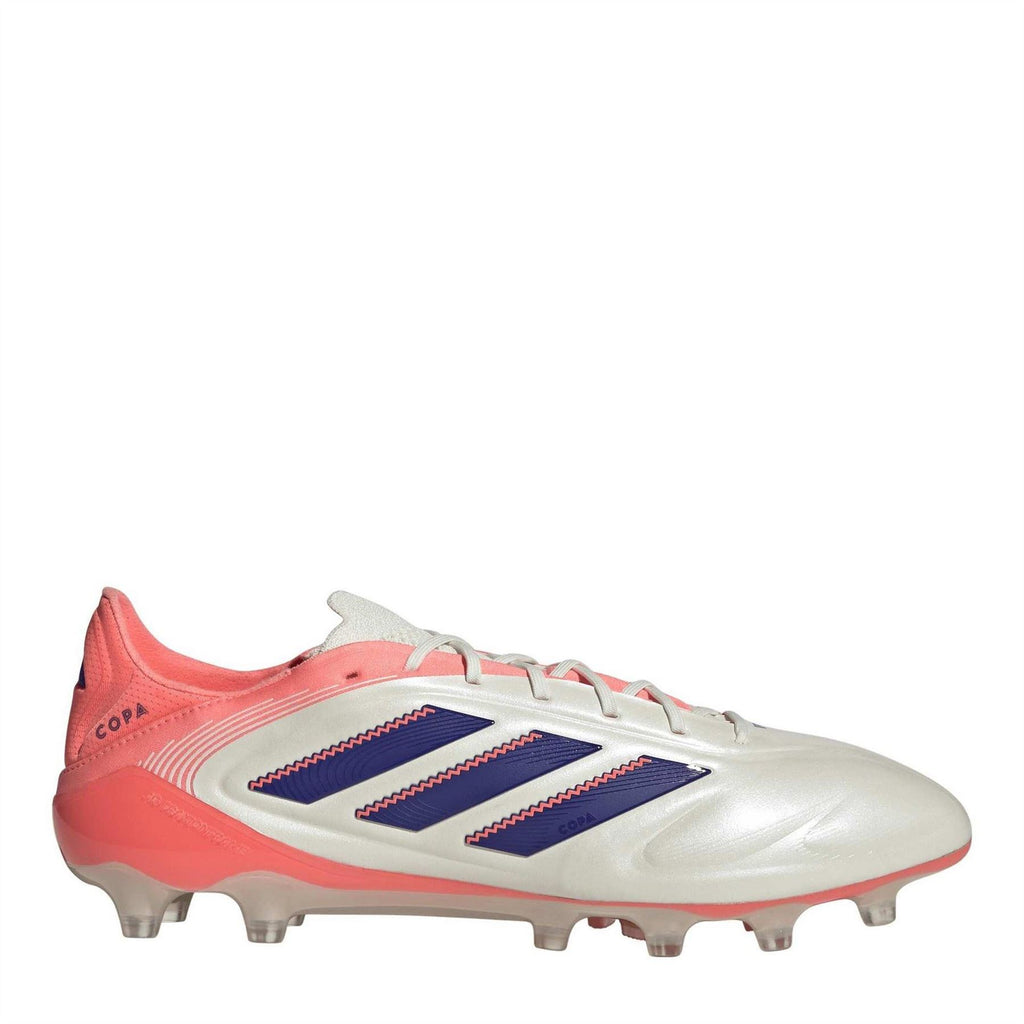
| Kangaroo or calf leather | adidas Copa, Nike Tiempo Legend, Puma King, Mizuno Morelia | Soft brush, cloth on the toe box | Damp cloth only, never soaked | Thin coat of leather conditioner once dry; let it absorb overnight |
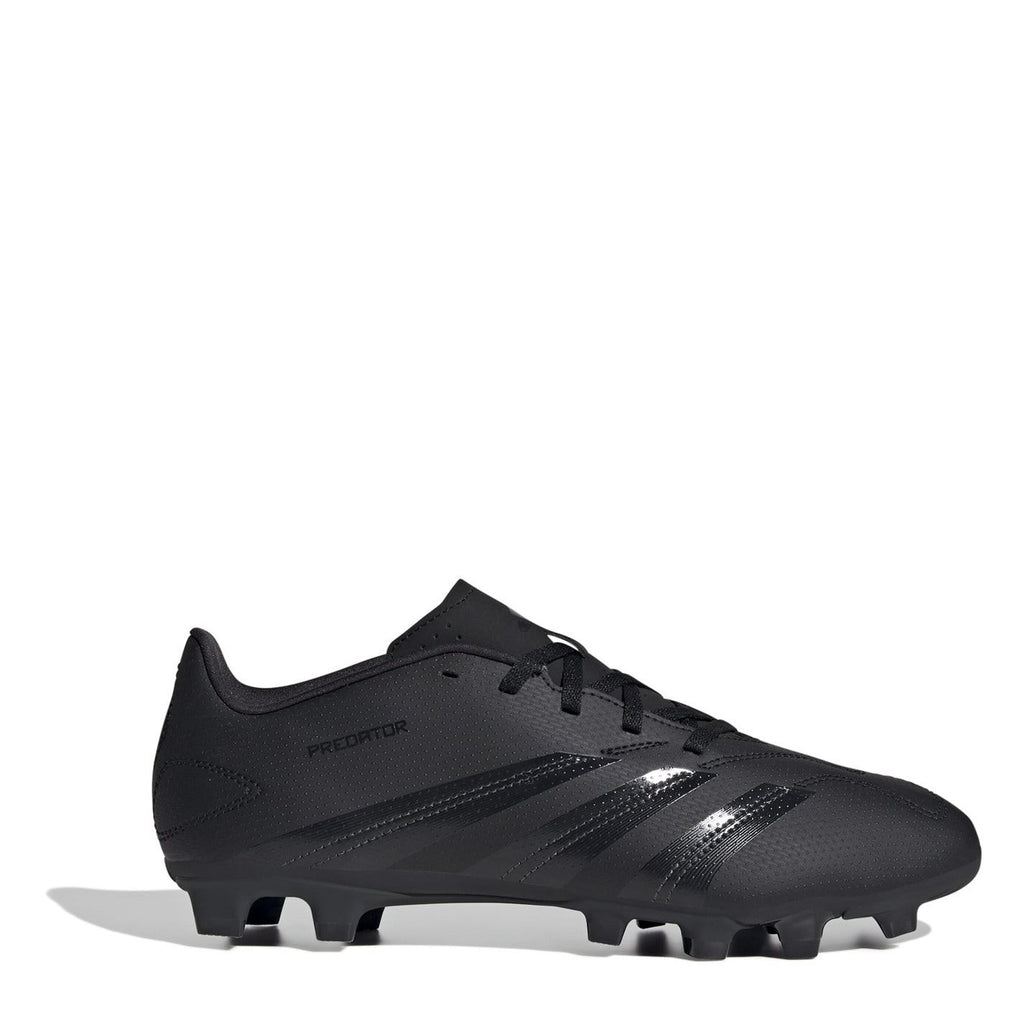
| Synthetic leather or coated microfibre | Nike Tiempo (FlyTouch), adidas Predator, Puma Future | Medium brush, tolerates firmer scrubbing | Damp cloth with mild detergent | Stuff lightly while drying so the upper keeps its shape |
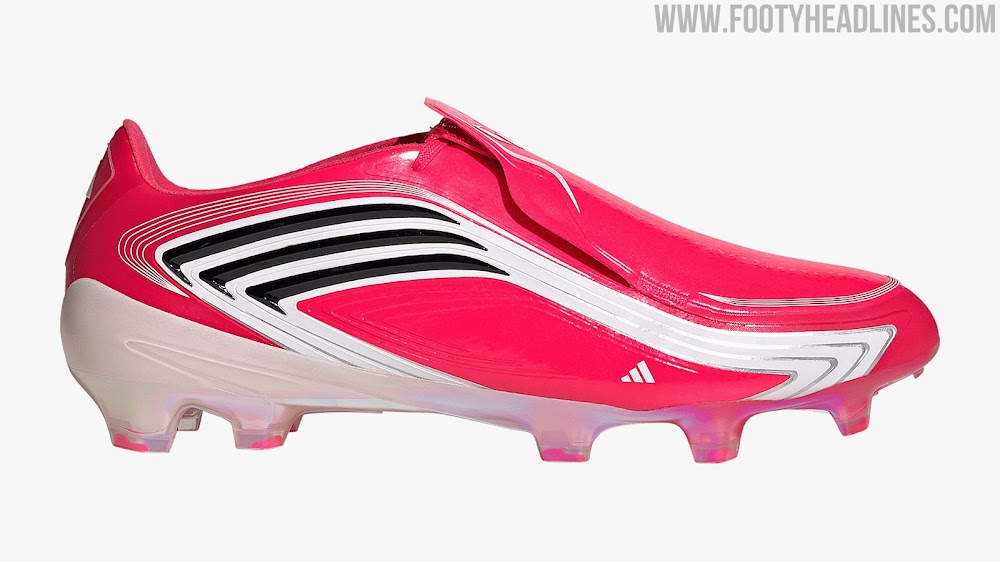
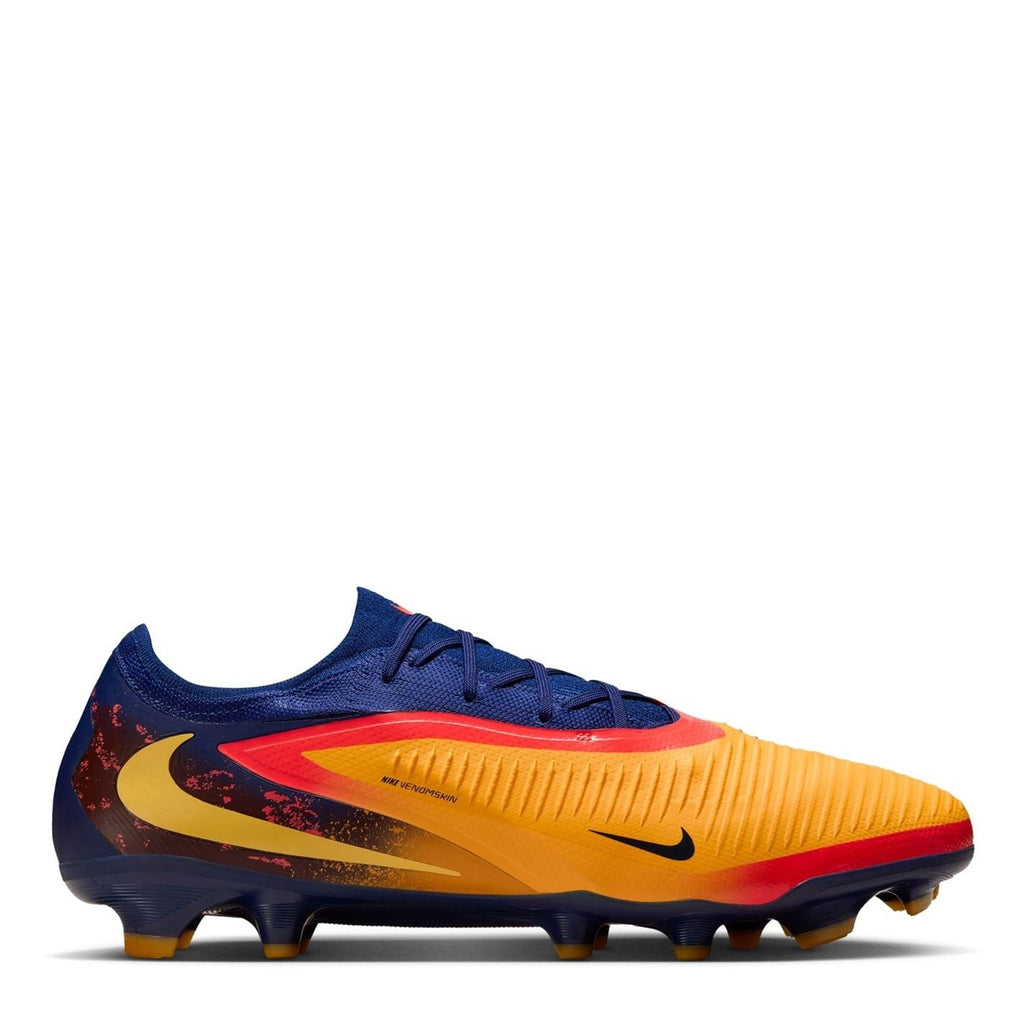
| Knit or textile | Nike Mercurial and Phantom (Flyknit, Gripknit), adidas F50, Puma Ultra | Soft brush only | Wipe, do not submerge | Air-dry away from heat; brush the knit upward once dry to lift the pile |
Leather is the only upper that needs feeding. Washing lifts the natural oils out, and a boot that is washed every week without conditioning will crease and crack at the flex point within a season. A pea-sized amount of conditioner worked in with a cloth is plenty. If you are choosing between materials, our leather boots guide compares the Tiempo, Copa, King and Morelia in detail.
How should football boots be dried?
Slowly, indoors and stuffed. The newspaper trick works because it pulls moisture out from the inside while holding the boot in its moulded shape. Nike’s guide is blunt about the alternatives: heat damages the materials, so hair dryers, tumble dryers, radiators and direct sun are all out. Heat is also what separates a soleplate from its upper, because the adhesive softens before the water has gone.
Two practical checks before the next game:
- Press the insole area with your thumb. If it feels cool and damp, give it another night.
- Smell the heel counter. A damp boot smells sour before it smells bad; that is bacteria starting, and the cure is drying, not spray.
Stud and soleplate care by surface
Most “worn-out” boots are not worn out at all; they were used on the wrong surface. Firm-ground studs on a 3G pitch wear flat in weeks, and artificial-ground boots used on tarmac or a hard playground lose their footplate grip just as fast. If you are not sure which plate you own, read FG vs AG vs SG vs TF explained before buying a second pair.
- Firm ground (FG): clear the mud between the blades after every game; check the toe studs for rounding each month.
- Soft ground (SG): unscrew the metal studs every few weeks, clean the threads and refit by hand. Seized studs are the most common SG failure.
- Artificial ground (AG) and turf (TF): rubber crumb packs into the short studs; a toothbrush under running water shifts it. Keep these for the pitch, and change into slides for the walk home.
Storing boots between games
A kit bag is the worst place to leave boots and the most common one. Boots go in the bag only when fully dry, ideally in a breathable boot bag rather than a plastic carrier. At home, keep them out of the car boot and the airing cupboard: one is damp and cold, the other is dry heat. A shelf in a ventilated room is all they need.
For odour that has already set in, pull the insoles out and leave a sock filled with baking soda inside each boot overnight. It will not fix a boot that is still damp, but it does lift the smell from a dry one.
When is it time to replace the boots?
Cleaning extends life; it does not restore it. Replace the pair when the upper has split at the flex crease, when FG studs have rounded enough to slide on dry grass, or when the soleplate has separated from the upper at the toe. Insoles that have gone flat can be swapped on their own. If the next pair is for a child, size matters more than care: our boot size guide explains how much growing room to leave, and the kids boots guide lists the junior models that stock the widest size runs.
Browse the full range in our football boots section, including the adidas Copa, Nike Tiempo and Nike Mercurial silos covered in the table above.
Frequently asked questions
Can you put football boots in the washing machine?
No. The drum and spin cycle can separate the soleplate from the upper and strip coatings from synthetic and knit materials. Manufacturers including Nike state that boots should be hand-washed only. Laces are the one exception, in a mesh bag on a cold cycle.
How often should football boots be cleaned?
A quick mud-off and air-dry after every session, and a proper wash with detergent whenever the upper is visibly dirty or the boot smells. Leather boots also need conditioning roughly once a month in a wet season.
Why do my boots smell even after cleaning?
Because they were not fully dry before the next use or before they went back in the bag. Bacteria grow in the damp foam of the insole and heel. Dry the boots for a full 24 hours with the insoles out, then use baking soda to lift the residual odour.
Is it safe to dry boots on a radiator?
No. Direct heat shrinks leather, hardens synthetics and softens the glue that holds the soleplate on. Room temperature with newspaper inside is slower but safe.
Source for the manufacturer guidance quoted above: Nike, How to Clean Football Boots.
🛒 Shop Jerseys — home, away & player versions, worldwide shipping.Shop Now →

 Premier League
 La Liga










































 Serie A























 Bundesliga





























 Liga MX











 Liga Portugal








 Ligue 1
















 Kings League










 Brasileiro Serie A

































 MLS
MLS




















 Other Leagues