Get 10% Off Your First Order Today! Use code at checkout: WELCOME10


Remembering the Iconic Croatia 1998 World Cup Kit

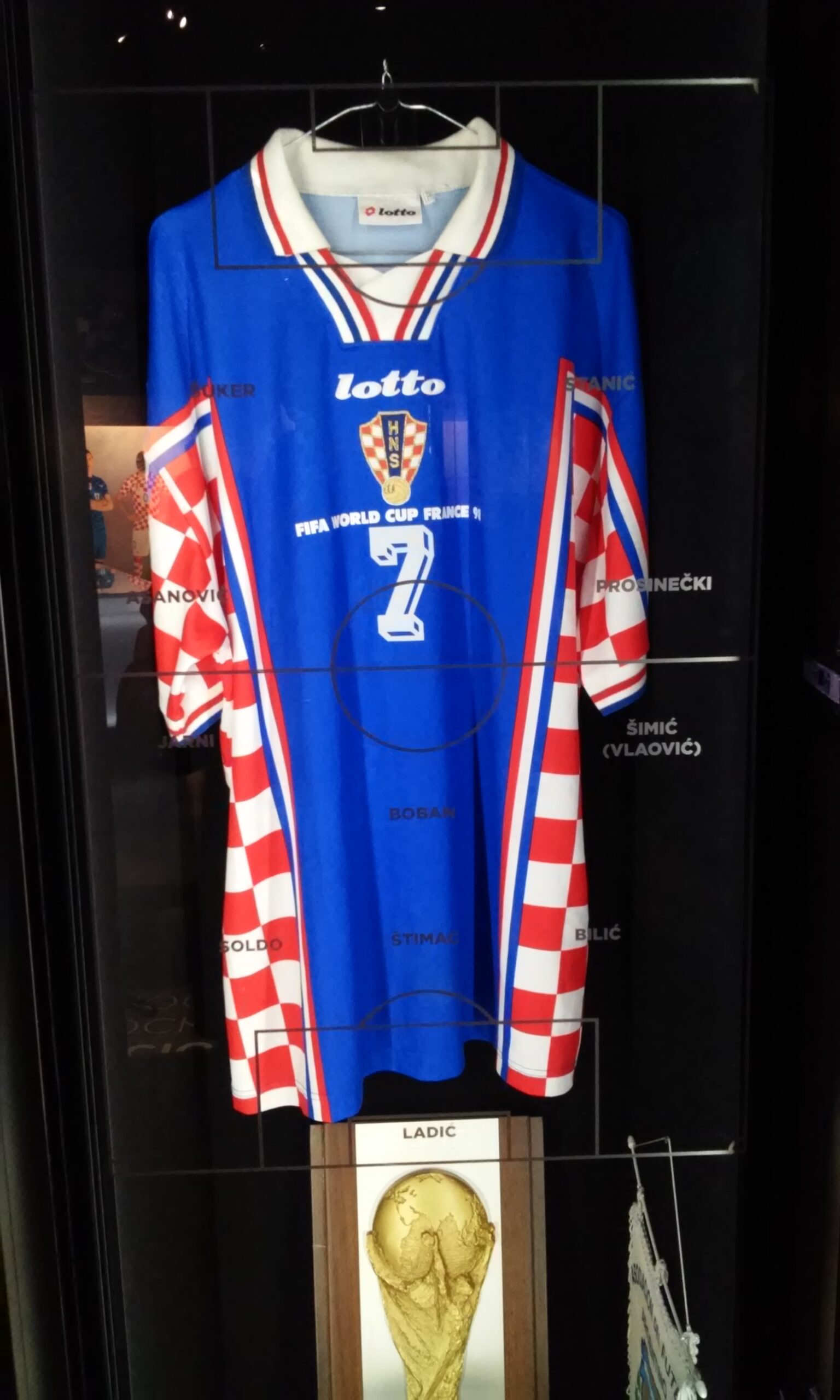
Few debut shirts have aged as gracefully as Croatia’s. When a brand-new nation walked out at France ’98 wearing huge red-and-white squares, neutrals had no idea they were watching one of the greatest World Cup kits ever made. By the end of that summer, the šahovnica checkerboard was iconic — and it still defines how Croatia look today.
🛒 Shop Croatia Jerseys — home, away & player versions, worldwide shipping.Shop Now →
Key Takeaways
- Croatia’s 1998 Lotto home shirt was later named the second-greatest World Cup kit of all time by the BBC, built around the national checkerboard designed by artist Miroslav Šutej.
- On their World Cup debut, Croatia finished third, with Davor Šuker winning the Golden Boot on six goals.
- The checkerboard is now permanent: modern Croatia kits, including the 2026 World Cup shirt, still carry the same DNA.
What made the Croatia 1998 World Cup kit so iconic?
The Croatia 1998 home shirt is iconic because it turned a national symbol into a football statement. Lotto placed the red-and-white šahovnica checkerboard in huge sweeping squares across the front, and a BBC ranking later named it the second-greatest World Cup jersey ever made, as reported by Total Croatia News (2023).
It worked because it broke the rules. Most shirts contain a pattern neatly inside panels. This one let the squares spill diagonally across the body, so the checkerboard looked alive rather than printed on. For a country playing its first World Cup, the message was loud: we know exactly who we are.
Want the heritage on your back? Browse our full Croatia national team jersey collection.
Who designed the šahovnica checkerboard?
Shop Croatia Jerseys
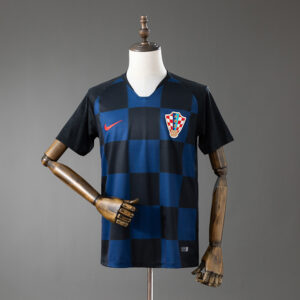
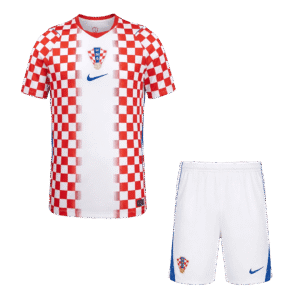
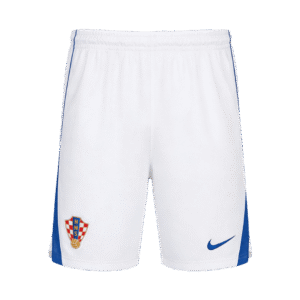
The checkerboard came from Miroslav Šutej, the avant-garde Croatian artist who also designed the country’s coat of arms and its Kuna banknotes. The same red-and-white grid he placed on the national crest carried straight onto the shirt, which is why the kit reads as national identity, not sportswear branding.
That detail matters. The pattern was not invented by a kit manufacturer chasing a trend. It was a centuries-old heraldic device, lifted from the coat of arms and scaled up. Lotto’s job was restraint — frame the squares, add a clean collar, and let the symbol carry the shirt.
Did a footballer ever wear a coat of arms this proudly? Rarely, and rarely this well.
How did Croatia perform at France 1998?
Croatia finished third at France 1998 — a stunning result on their World Cup debut. Davor Šuker top-scored across the whole tournament with six goals to win the Golden Boot, and Croatia beat the Netherlands 2–1 in the third-place play-off (FIFA, 1998 World Cup official records).
The run announced a golden generation: Šuker, Robert Prosinečki, Zvonimir Boban and Slaven Bilić. They were beaten only by the hosts and eventual champions France in the semi-finals. For a nation that had not existed as an independent footballing entity a decade earlier, third place was extraordinary — and the checkerboard shirt became the image of it.
Croatia 1998 World Cup: the key numbers
| Detail | 1998 World Cup |
|---|---|
| Final position | 3rd place |
| Kit manufacturer | Lotto |
| Golden Boot winner | Davor Šuker (6 goals) |
| Semi-final result | Lost 2–1 to France |
| Third-place play-off | Beat Netherlands 2–1 |
How does the modern Croatia kit compare to 1998?
The modern Croatia kit keeps the same checkerboard DNA, but applies it differently each cycle. The recent runner-up (2018) and third-place (2022) sides wore Nike versions where the squares became a full chest panel, proving the 1998 idea still anchors every redesign decades later.
The 2022 home shirt is the clearest modern tribute, with a bold checkerboard block across the torso. You can see that lineage in our Croatia 2022 home jersey, while the latest Croatia 2026 World Cup home jersey carries the pattern into a new generation led by Luka Modrić.
Prefer the throwback feel? Our retro Croatia away jersey scratches the vintage itch.
Why does the 1998 shirt still matter in 2026?
The 1998 shirt still matters because it set the template every Croatia kit copies, and demand for retro World Cup shirts keeps climbing as the 2026 tournament reignites nostalgia. The checkerboard remains one of the most recognisable patterns in football — instantly Croatian, with no badge required.
That is the real legacy. A good kit sells a season; a great one becomes shorthand for a country. Twenty-eight years on, you still cannot draw a red-and-white grid without someone thinking of Šuker wheeling away in France. For more retro inspiration, see our look back at Denmark’s iconic 1986 World Cup kit.
Frequently Asked Questions
Who made Croatia’s 1998 World Cup kit?
Italian sportswear brand Lotto manufactured Croatia’s 1998 World Cup kit. They framed the red-and-white šahovnica checkerboard — taken from the national coat of arms designed by artist Miroslav Šutej — in large diagonal squares, creating one of the most distinctive shirts in tournament history.
How did Croatia do at the 1998 World Cup?
Croatia finished third at France 1998 on their World Cup debut, losing 2–1 to hosts France in the semi-finals before beating the Netherlands 2–1 in the third-place play-off. Davor Šuker won the Golden Boot as the tournament’s leading scorer with six goals.
Is the Croatia 1998 shirt considered one of the best ever?
Yes. The BBC ranked Croatia’s 1998 home shirt the second-greatest World Cup kit of all time, and it regularly features in best-ever lists. Its bold checkerboard, national symbolism and link to a fairy-tale debut campaign keep it near the top of every ranking.
Do modern Croatia kits still use the checkerboard?
Absolutely. Every modern Croatia shirt, including the 2026 World Cup home kit, builds on the 1998 checkerboard. Designs vary — full chest panels, subtle grids or sweeping squares — but the red-and-white šahovnica remains the permanent visual identity of the national team.
The shirt that announced a nation
Croatia’s 1998 kit did more than look good — it told the world a new footballing nation had arrived, and did it in colours nobody could forget. The checkerboard outlived that golden generation and became permanent.
If the nostalgia has you reaching for the real thing, explore the full Croatia jersey range at 433FC and wear the pattern that defined a World Cup.
{“@context”: “https://schema.org”, “@graph”: [{“@type”: “BlogPosting”, “headline”: “Remembering the Iconic Croatia 1998 World Cup Kit”, “description”: “Croatia’s 1998 Lotto checkerboard shirt was named the BBC’s second-greatest World Cup kit ever. Inside the design, Suker’s Golden Boot and its 2026 legacy.”, “image”: “https://433fc.com/wp-content/uploads/croatia-1998-world-cup-kit-hero-scaled.jpg”, “datePublished”: “2026-06-26”, “dateModified”: “2026-06-26”, “author”: {“@type”: “Organization”, “name”: “433FC”}, “publisher”: {“@type”: “Organization”, “name”: “433FC”, “logo”: {“@type”: “ImageObject”, “url”: “https://433fc.com/wp-content/uploads/cover.png”}}, “mainEntityOfPage”: {“@type”: “WebPage”, “@id”: “https://433fc.com/croatia-1998-world-cup-kit-iconic-retro/”}}, {“@type”: “FAQPage”, “mainEntity”: [{“@type”: “Question”, “name”: “Who made Croatia’s 1998 World Cup kit?”, “acceptedAnswer”: {“@type”: “Answer”, “text”: “Italian sportswear brand Lotto manufactured Croatia’s 1998 World Cup kit, framing the red-and-white sahovnica checkerboard taken from the national coat of arms designed by artist Miroslav Sutej.”}}, {“@type”: “Question”, “name”: “How did Croatia do at the 1998 World Cup?”, “acceptedAnswer”: {“@type”: “Answer”, “text”: “Croatia finished third at France 1998 on their debut, losing 2-1 to hosts France in the semi-finals before beating the Netherlands 2-1 in the third-place play-off. Davor Suker won the Golden Boot with six goals.”}}, {“@type”: “Question”, “name”: “Is the Croatia 1998 shirt considered one of the best ever?”, “acceptedAnswer”: {“@type”: “Answer”, “text”: “Yes. The BBC ranked Croatia’s 1998 home shirt the second-greatest World Cup kit of all time, and it regularly features in best-ever lists thanks to its bold checkerboard and fairy-tale debut campaign.”}}, {“@type”: “Question”, “name”: “Do modern Croatia kits still use the checkerboard?”, “acceptedAnswer”: {“@type”: “Answer”, “text”: “Yes. Every modern Croatia shirt, including the 2026 World Cup home kit, builds on the 1998 checkerboard. The red-and-white sahovnica remains the permanent visual identity of the national team.”}}]}]}
🛒 Shop Croatia Jerseys — home, away & player versions, worldwide shipping.Shop Now →




 Premier League
 La Liga







 Serie A









 Bundesliga












 Liga MX





 Liga Portugal
 Ligue 1







 Kings League







 Brasileiro Serie A















 MLS
MLS










 Other Leagues