
Blog
Puma Football Boots: Evaluation, History, Performance and Market Presence (2026)


Puma is one of football’s three dominant boot makers, built around the speed-led Ultra, the agility-focused Future, and the heritage King. In 2026 the brand outfits stars including Neymar Jr, Antoine Griezmann and Christian Pulisic, and supplies clubs such as Manchester City and AC Milan. This evaluation covers history, on-pitch performance, market presence and value.
What is the history of Puma Football Boots?
Puma’s football story began in 1948 when Rudolf Dassler founded the company in Herzogenaurach, Germany, after splitting from his brother Adi (Adidas). Puma boots were on the feet of Pele in 1970 and Diego Maradona through the 1980s, and the King line became a leather-touch icon worn by Cruyff, Eusebio and later generations. In the 2000s Puma pushed lightweight innovation with the v1.06 and evoSPEED, before consolidating its modern range into three pillars. The Future (originally evoSPEED’s successor, relaunched with adaptive netfit lacing) and the Ultra (a pure speed boot) now anchor the lineup, with King retained as the classic leather option. By 2026 the franchises had reached the Future 9, Ultra 6 and King 20 generations.
How do Puma Football Boots perform?
Performance varies by line. The Ultra is among the lightest boots on the market, with a thin, stripped-back upper and a sprint-optimised plate for players who live on the shoulder of the last defender. The next-generation Ultra 7, expected summer 2026, moves to a fully laceless construction for a cleaner strike surface. The Future prioritises agility and ball control: its FUZIONFIT+ adaptive band and grippy textured upper suit creative, multidirectional players like Neymar. Across the range, the PUMAGRIP outsole is widely praised for traction and stud configuration. The King delivers the soft, padded leather feel traditionalists prefer. Reviewers consistently rate Puma’s lockdown and value highly, with the Ultra singled out for raw speed and the Future for comfort straight out of the box.
Which teams and players use Puma Football Boots?
Puma sponsors a broad roster heading into the 2026 World Cup. The Future is worn by Neymar Jr (Brazil), Kai Havertz (Germany), Morgan Rogers (England) and Weston McKennie (USA), while the Ultra is worn by Memphis Depay and Cody Gakpo (Netherlands). Antoine Griezmann and Christian Pulisic remain marquee Puma athletes. At club level Puma supplies kits and partnerships with Manchester City and AC Milan, among others. The brand’s 2026 “Showtime” World Cup pack brought bold, mismatched-pair designs to the Future 9, Ultra 6 and King 20.
| Line | Built for | Key technology | 2026 generation | Marquee wearer |
|---|---|---|---|---|
| Ultra | Speed / sprinters | Lightweight upper, PUMAGRIP, laceless (Ultra 7) | Ultra 6 / 7 | Memphis Depay, Cody Gakpo |
| Future | Agility / control | FUZIONFIT+ adaptive band, textured grip upper | Future 9 | Neymar Jr, Kai Havertz |
| King | Heritage / touch | Premium leather, classic feel | King 20 | Traditionalist pros |
Are Puma Football Boots worth buying?
Yes, for most players. Puma typically undercuts Nike and Adidas on price while matching them on core technology, making the Ultra and Future strong value picks. Choose the Ultra if you are a pacey winger or striker who wants the lightest possible boot, the Future if you are a creative midfielder or playmaker who values touch and lockdown, and the King if you prefer a soft leather feel. The PUMAGRIP outsole and reliable out-of-the-box comfort are consistent strengths. Players with very wide or very narrow feet should try before buying, as fit runs tighter on the speed models.
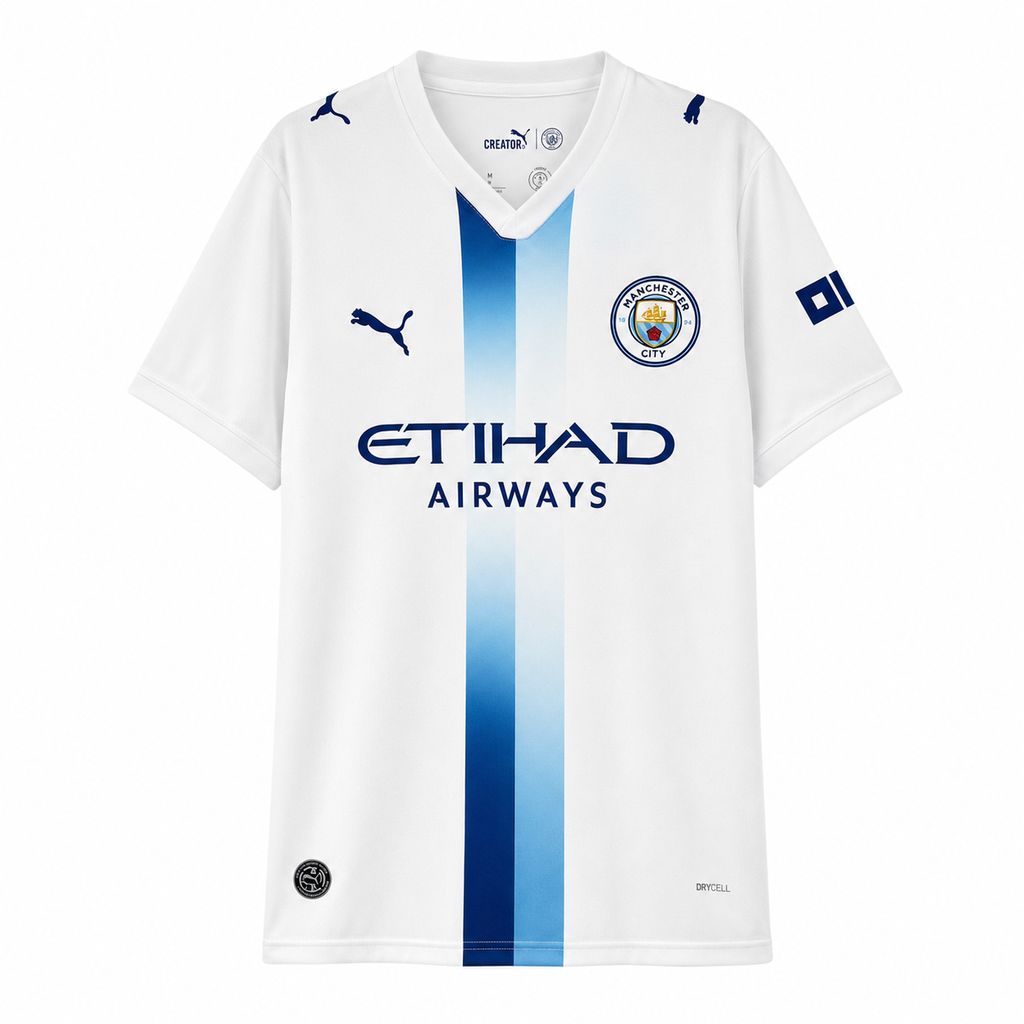
Shop at 433FC. 433FC specialises in football kits and jerseys rather than boots, so to complete your Puma matchday look, browse our Manchester City, AC Milan and Brazil national team jerseys. Enjoy free worldwide shipping when you order 2 or more items at 433fc.com.




 Premier League
 La Liga







































 Serie A


















 Bundesliga




























 Liga MX










 Liga Portugal








 Ligue 1














 Kings League









 Brasileiro Serie A































 MLS
MLS

















 Other Leagues