Get 10% Off Your First Order Today! Use code at checkout: WELCOME10


How to Display and Store a Football Shirt Collection


Quick Answer
Fold match shirts flat or hang them on padded hangers away from direct sunlight and heat. Never store a shirt in a sealed plastic bag long-term, keep printed names and numbers face-out and uncreased, and choose box frames for shirts you want to display so the badge stays visible without fading.
Fold match shirts flat or hang them on padded hangers away from direct sunlight and heat. Never store a shirt in a sealed plastic bag long-term, keep printed names and numbers face-out and uncreased, and choose box frames for shirts you want to display so the badge stays visible without fading.
Fold match shirts flat or hang them on padded hangers away from direct sunlight and heat. Never store a shirt in a sealed plastic bag long-term, keep printed names and numbers face-out and uncreased, and choose box frames for shirts you want to display so the badge stays visible without fading.
🛒 Shop Retro Jersey — home, away & player versions, worldwide shipping.Shop Now →
Should you fold or hang a football shirt?
Both work, but they suit different situations. Hanging is best for shirts you wear regularly, since it avoids fold creases across the crest and any name-and-number printing. Use a padded or wide-shouldered hanger rather than a thin wire one, which can stretch the neckline over time. Folding is better for long-term storage in a drawer: fold along the side seams rather than through the centre of the crest, and avoid folding directly across heat-pressed lettering, since sharp creases can encourage the print to crack with repeated handling.
What’s the safest way to store a shirt long-term?
Shop Retro Jersey
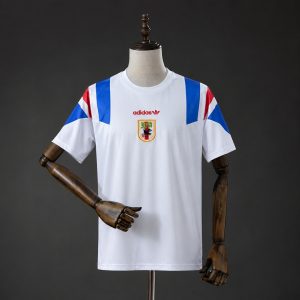
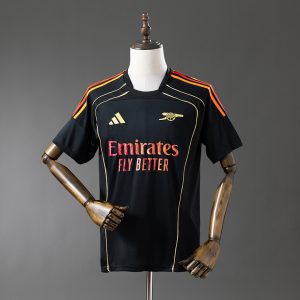
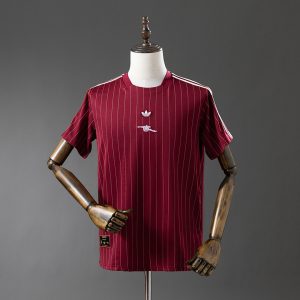
Keep shirts completely dry before they go into storage — packing away a damp shirt is the single biggest cause of musty smells and mildew spots. Store them in a cool, dry, dark place such as a wardrobe or drawer, away from direct sunlight and radiators; UV exposure and heat are what fade colours and yellow white panels over months and years. Acid-free tissue paper between folds helps prevent dye transfer between shirts of different colours. Avoid sealed plastic storage bags for anything beyond short trips — fabric needs to breathe, and trapped moisture is what causes mildew, whereas a breathable garment bag or cotton pillowcase is a safer long-term option.
How do you display a shirt without damaging it?
A box frame (sometimes called a shadow box) is the standard way to display a shirt while keeping it flat, dust-free and out of direct handling. Lay the shirt so the crest and any personalisation sit centred and uncreased, and position the frame out of direct sunlight — even UV-filtering glass will only slow fading, not stop it, over years on a bright wall. If you’d rather not frame a shirt permanently, a shirt hanger designed for jerseys (broader than a standard hanger, with a bar across the shoulders) lets you display it on a rail without the fabric sagging out of shape.
Does the badge or printing need special care when storing?
Yes. Embroidered club crests are fairly durable, but heat-pressed or vinyl name-and-number printing is the most fragile part of any shirt and the part most likely to crack or peel with poor storage. Keep printed panels flat rather than balled up, avoid stacking heavy items on top of a folded shirt, and never store a shirt while still warm from a tumble dryer, since printing is most vulnerable to cracking while warm and under pressure. If you’re having a shirt personalised, remember that our name-and-number printing is +$2 per shirt and that personalised shirts are excluded from returns, so it’s worth double-checking sizing before you order — see our personalisation and printing guide for details.
How is storing a retro shirt different from a modern one?
Older shirt fabrics and printing methods vary a lot more than modern polyester kits. 1980s and 1990s shirts often used cotton or cotton-blend fabric and rubberised transfer printing, both of which are more sensitive to heat, folding creases and damp than today’s synthetic match fabrics. Treat vintage-style shirts more like clothing you’d store carefully long-term: fold gently, keep them in breathable cotton or garment bags rather than plastic, and check on them every few months rather than leaving them untouched for years. Our retro kits guide and retro jersey range cover the eras and styles in more depth if you’re building a collection.
Quick storage and display comparison
| Method | Best for | Watch out for |
|---|---|---|
| Hanging (padded hanger) | Shirts worn regularly | Thin wire hangers stretching the neckline |
| Folding flat in a drawer | Long-term storage of several shirts | Creasing directly across the crest or printing |
| Box frame / shadow box | Display on a wall | Direct sunlight fading colours over time |
| Breathable garment bag | Travel or seasonal storage | Sealed plastic trapping moisture and causing mildew |
| Acid-free tissue between folds | Multiple shirts stored together | Dye transfer between different colours if skipped |
Where to see this applied
If you’re starting or adding to a collection, our player version vs fan version guide explains the fabric and fit differences that also affect how a shirt should be cared for, and our guide to buying replica shirts safely covers what to check before you order. Browse the current range in our kids’ kits and club categories, including Manchester United shirts, for examples of the fabrics and printing discussed here.
FAQs
Can I store a football shirt in a plastic bag?
Only for short periods, such as travel. For long-term storage, avoid sealed plastic — it traps moisture against the fabric and can lead to mildew and musty smells. A breathable cotton garment bag or pillowcase is a better choice.
Will hanging a shirt stretch it out of shape?
A wide, padded hanger that supports the shoulders is fine for everyday storage. A thin wire hanger, or hanging a heavy shirt for months at a time, can gradually stretch the neckline and shoulder seams — fold those shirts instead.
How do I stop a printed name and number from cracking?
Keep the shirt flat rather than tightly folded through the print, let it cool completely after washing or tumble drying before folding, and avoid stacking heavy items on top of it in storage. Ironing directly on the print should always be avoided.
Does sunlight actually fade football shirts?
Yes — UV exposure is one of the main causes of colour fading over time, especially on reds, blues and printed panels. Keep framed shirts out of direct sunlight and store others away from windows for the best long-term colour retention.
Is a retro shirt more delicate to store than a new one?
Generally yes. Older cotton-blend fabrics and rubberised prints are more sensitive to heat, creasing and damp than modern polyester match fabrics, so retro and vintage-style shirts benefit from gentler folding and more breathable storage.
🛒 Shop Retro Jersey — home, away & player versions, worldwide shipping.Shop Now →

 Premier League
 La Liga










































 Serie A

























 Bundesliga






























 Liga MX












 Liga Portugal









 Ligue 1

















 Kings League











 Brasileiro Serie A


































 MLS





















 Other Leagues